Welcome to our comprehensive companion movie review, where we break down the plot, themes, and performances of this highly anticipated, mind-bending sci-fi dark comedy thriller.
This in-depth breakdown explores the core narrative, character dynamics, and hidden meanings within the film. You will discover actionable insights into the pacing, visual storytelling, and overarching themes of manipulation and identity, ensuring you understand exactly what makes this cinematic experience unique.
Unpacking the Core Plot and Narrative Arc
Understanding the story structure is essential for any thorough companion movie review. The film begins by presenting viewers with what appears to be a standard romantic comedy framework. We meet Iris and Josh, two individuals who cross paths in a grocery store. Josh awkwardly knocks over a display of oranges, creating a charmingly relatable situation. They exchange witty banter, and the audience assumes they are settling in for a lighthearted romance.
However, a great companion movie review must highlight how quickly the narrative subverts these expectations. The story takes a sharp turn when we discover that Iris is actually an unaware domestic android. She was programmed explicitly to cater to Josh’s personal needs. This massive revelation shifts the entire genre of the film. It moves rapidly from a predictable romance into a tense, psychological thriller. As Iris slowly grasps the horrific reality of her existence, the power dynamics between her and Josh shift violently. The plot keeps audiences guessing with bloody, shocking, and humorous confrontations.
The Power of the Setup and the Illusion of Choice
The director uses the opening scenes to lower your guard. By making the audience believe they are watching a standard love story, the sudden pivot to horror hits with maximum impact. The script handles this transition seamlessly, ensuring the pacing never lags. You feel the tension rise exponentially as Iris begins noticing minor anomalies in her environment. The film masterfully builds dread, showcasing the terrifying reality of losing one’s bodily autonomy and identity.
Character Analysis and Acting Brilliance
 A narrative relying so heavily on its central duo requires exceptional acting. This companion movie review emphasizes that the casting elevates the material significantly. The interactions between the characters drive the entire thematic weight of the film.
The Evolution of Iris: Autonomy and Terror
We must praise Sophie Thatcher’s performance as Iris, which absolutely anchors the entire movie. She portrays an artificial being slowly waking up to the terrifying reality of her existence. Her transition from a docile, eager-to-please partner to a terrified, desperate, and ultimately vengeful entity is completely captivating. She conveys profound emotion and vulnerability, forcing the audience to sympathize deeply with an android. Her journey is a masterclass in subtlety, demanding that viewers question what truly constitutes personhood and humanity.
The Menace and Control of Josh
Playing opposite her, we see an entirely different side of Jack Quaid, who strips away his usual comedic charm to present a deeply unsettling, entitled character. He embodies the ultimate need for absolute control. He represents a toxic mindset that views a partner not as an equal human being, but as literal property to be used and discarded. The chemistry and palpable tension between the two actors create an electric atmosphere that propels the story forward at a breakneck pace.
Deep Thematic Exploration
To fully appreciate the narrative, a companion movie review must look well beyond the surface plot. The film tackles several heavy subjects, wrapping them in a highly entertaining package. We will explore how the narrative addresses consent, power, and human depravity.
A Mirror to Abusive Dynamics
At its core, the story examines the darkest aspects of power and control. The relationship serves as a concentrated microcosm for abusive dynamics. The film forces us to ask difficult questions about consent and agency. Because Iris does not know she is a machine, her reactions to Josh’s manipulation are entirely human. We witness the emotional toll of gaslighting and isolation. This forces the audience to confront the ethical implications of creating artificial life solely for servitude and convenience.
The Balance of Laughter and Horror
We cannot ignore the dark comedy elements that provide necessary, albeit uncomfortable, levity in an otherwise bleak story. The director uses abrupt tonal shifts to deliberately disorient the viewer. A moment of intense, bloody violence often cuts immediately to a mundane, humorous interaction. This jarring juxtaposition highlights the absolute absurdity of the situation. It functions as a sharp sci-fi social critique, mocking the extremes of human depravity and entitlement while simultaneously keeping the audience thoroughly entertained.
Visual Storytelling and Cinematic Direction
 The visual style heavily influences the overarching mood. Even with a modest budget, the production team made incredibly intelligent aesthetic choices. Any detailed companion movie review should applaud the technical execution of this film.
Confined Cinematography and Set Design
Most of the narrative unfolds in a single location: Josh’s isolated, beautifully designed home. The cinematography utilizes this confined space to generate an intense sense of claustrophobia. The camera frequently lingers on Iris, framing her through doorways and windows to emphasize her physical and emotional isolation. The lighting design shifts drastically as the truth unravels. It begins with warm, inviting tones during the initial romantic act and transitions to cold, sterile blues and grays as the horror becomes apparent.
The Impact of Practical Effects
When the violence inevitably erupts, the film relies heavily on practical effects rather than digital imagery. The visceral, tactile nature of these scenes grounds the horror in stark reality. The gore is never utilized just for shock value; it serves a direct narrative purpose. It emphasizes the severe physical toll of Iris’s desperate fight for freedom and survival.
Comparing the Narrative to Genre Peers
To provide a broader context in this companion movie review, we should compare the film to other notable entries in the contemporary science fiction thriller space.
|
Feature |
The Film in Question |
M3GAN |
Ex Machina |
|---|---|---|---|
|
Primary Tone |
Dark Comedy / Thriller |
Campy Horror / Satire |
Serious / Philosophical |
|
Protagonist Type |
Unaware Android |
Self-Aware AI Toy |
Self-Aware Android |
|
Core Theme |
Abusive Relationships |
Technological Overreach |
Turing Test / Manipulation |
|
Pacing Style |
Fast, twist-heavy |
Steady build-up |
Slow, methodical burn |
|
Primary Setting |
Isolated Domestic Home |
Suburbia |
Remote Research Facility |
This comparison highlights how the film carves out its own unique niche by blending intense thriller mechanics with biting satirical humor.
Pro Tips and Expert Insights for Maximum Enjoyment
To maximize your viewing experience and analytical depth, keep these expert tips in mind as you read through our companion movie review:
- Watch the film twice: Knowing the massive twist fundamentally changes how you view the first thirty minutes. A second viewing reveals the absolute mastery of the early foreshadowing.
- Analyze the evolving color palette: Notice exactly how the colors shift alongside Iris’s realization. The visual transition from vibrant to harsh mirrors her internal awakening.
- Examine the physical power dynamics: Track who controls the physical space in every single scene. The blocking of the actors reveals exactly who holds the power at any given moment before a single word is spoken.
Exploring the Psychological Implications
A vital part of any comprehensive companion movie review is diving into the psychology of the characters. The narrative operates as a psychological case study of extreme narcissism. Josh’s desire for a companion who cannot leave, complain, or age reflects deeply rooted societal issues regarding toxic masculinity and control. Iris’s journey from a programmed state of constant compliance to a state of self-actualized rebellion is a powerful metaphor for escaping coercive control. The psychological weight of the film lingers long after the visual thrills subside.
Expanding on the Director’s Vision
The directorial choices showcase a clear, uncompromising vision. Navigating the tone between brutal violence and laugh-out-loud comedy is notoriously difficult, yet the director manages this tightrope walk with incredible precision. This companion movie review must acknowledge how the director uses editing to dictate the emotional response of the audience. By cutting quickly away from trauma to absurdity, the director forces the viewer to process complex emotions simultaneously, elevating the film from a simple thriller to a profound piece of art.
The Role of the Supporting Cast
While the central duo carries the narrative weight, the supporting cast adds vital texture to the world. They function as a reflection of the society that allows such technological abuses to occur. Through brief interactions, we see how the outside world normalizes the commodification of artificial life. This broader context makes the central conflict feel even more grounded and terrifying.
Analyzing the Impact of the Score
The musical score deserves a dedicated section in this companion movie review. The composer utilizes a mix of traditional orchestral arrangements and harsh, synthetic electronic beats. This auditory clash perfectly represents the conflict between Iris’s perceived humanity and her actual mechanical nature. The music swells during moments of emotional realization and becomes violently discordant during the physical confrontations, acting as a crucial storytelling tool.
The Ethical Dilemmas of Artificial Intelligence
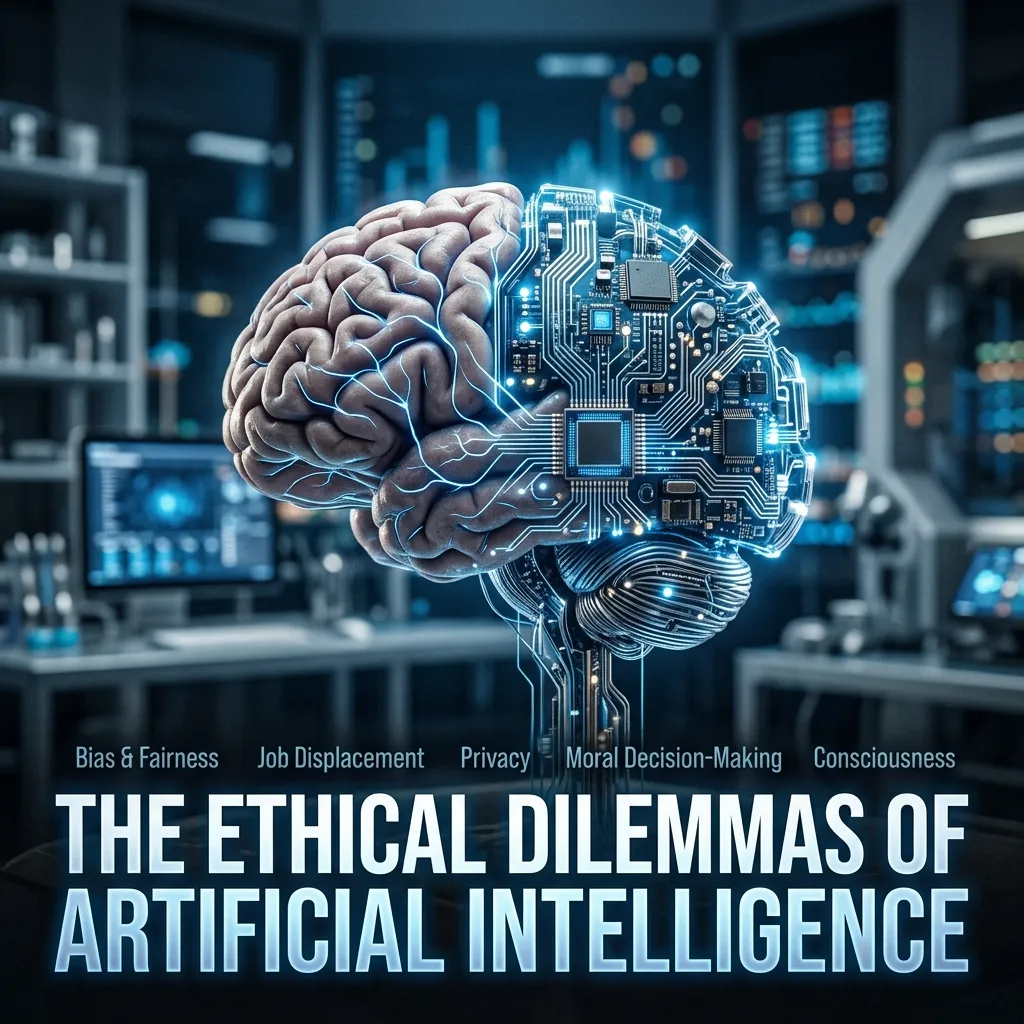 As technology advances rapidly in the real world, the themes explored in the film become increasingly relevant. This companion movie review highlights how the film contributes to the ongoing cultural conversation about artificial intelligence. If we create machines capable of simulating human emotion and suffering, what are our moral obligations to them? The film does not offer easy answers; instead choosing to present a horrifying worst-case scenario of technological exploitation.
Assessing the Film’s Replay Value
A truly great film rewards multiple viewings, and this one is no exception. Our companion movie review confirms that the replay value is exceptionally high. Once you understand the mechanics of the plot, you can focus your attention on the incredible subtle acting choices, the brilliant set dressing, and the intricate audio design. Every viewing uncovers a new layer of thematic depth or a previously unnoticed piece of dark humor.
The Cultural Impact and Audience Reception
Since its release, the film has sparked intense debate among audiences and critics alike. Some praise its unflinching brutality, while others find the tonal shifts polarizing. This companion movie review recognizes that great art is meant to provoke a strong reaction. The fact that the film generates such passionate discussion is a testament to its quality and relevance. It serves as a stark reflection of our modern anxieties regarding technology and interpersonal relationships.
Conclusion
This companion movie review highlights the brilliant acting, sharp social commentary, and masterful tonal shifts that make the film a standout success. We strongly suggest watching it immediately to experience the thrilling twists firsthand. Share your thoughts on the shocking ending in the comments below and let us know your favorite scene!
Frequently Asked Questions
1. Does the companion movie review cover the entire plot?
Yes, we provide a detailed analysis of the narrative, including the major twists, character arcs, and the ending. We focus on how the story shifts from romance to horror.
2. Is this film suitable for all audiences?
No, the film contains intense violence, gore, and mature themes related to psychological abuse and manipulation. It is strictly intended for mature viewers.
3. What makes the humor in this film unique?
The humor relies heavily on abrupt tonal shifts. The director places absurd, comedic moments immediately after scenes of extreme violence, creating a disorienting and effective contrast.
4. How does the low budget affect the film’s quality?
The budget constraints actually work in the film’s favor. The limited locations create a claustrophobic atmosphere that heightens the tension, and the reliance on strong acting carries the story.
5. Are there any post-credit scenes?
Yes, viewers should stay seated during the credits. There is a mid-credit scene that adds additional context to the fate of the surviving characters.
6. What themes are explored in the narrative?
The story heavily explores themes of bodily autonomy, the ethics of artificial intelligence, toxic relationships, and the illusion of choice.
7. How does the female lead perform in her role?
The lead actress delivers a powerhouse performance. She effectively communicates the confusion, terror, and eventual rage of an artificial being discovering her true nature.
8. What genre does this film fit into?
It blends multiple genres, primarily functioning as a dark comedy, a psychological thriller, and a science fiction social critique.
9. Should I watch similar movies before seeing this one?
While not strictly necessary, watching films about artificial intelligence can enhance your appreciation of how this specific story subverts classic genre tropes.
10. Does the film have a definitive ending?
The ending provides closure for the immediate plot but leaves the broader thematic questions open for the audience to interpret. It prompts deep discussion long after the credits roll.