What Makes a Great Horror Movie Review
A strong horror movie review goes beyond simple reactions to scary scenes and jump scares. It focuses on how effectively the movie builds suspense, develops tension, and delivers emotional impact to the audience. A good review evaluates storytelling quality, pacing, originality, and how fear is used as a creative tool. Horror films depend heavily on atmosphere and tension, so a proper review explains whether these elements are successful or not. It also checks how well fear is balanced with entertainment value. By breaking down strengths and weaknesses, a horror movie review helps viewers decide whether the film is worth watching and if it offers a memorable horror experience or just temporary scares.
Storytelling and Plot Analysis
In any horror movie review, storytelling is one of the most important aspects to evaluate. The plot must keep viewers engaged while building suspense and fear throughout the film. Strong horror stories often include mystery, unexpected twists, and emotional depth that enhance the frightening experience. A review analyzes whether the story feels original or predictable and whether it successfully supports the horror elements. Good storytelling slowly reveals important details, keeping the audience curious and tense. Without a strong plot foundation, even visually impressive horror movies can feel weak or forgettable. A detailed horror movie review helps determine if the narrative truly enhances the fear factor or fails to create a lasting impact.
Atmosphere and Cinematic Experience
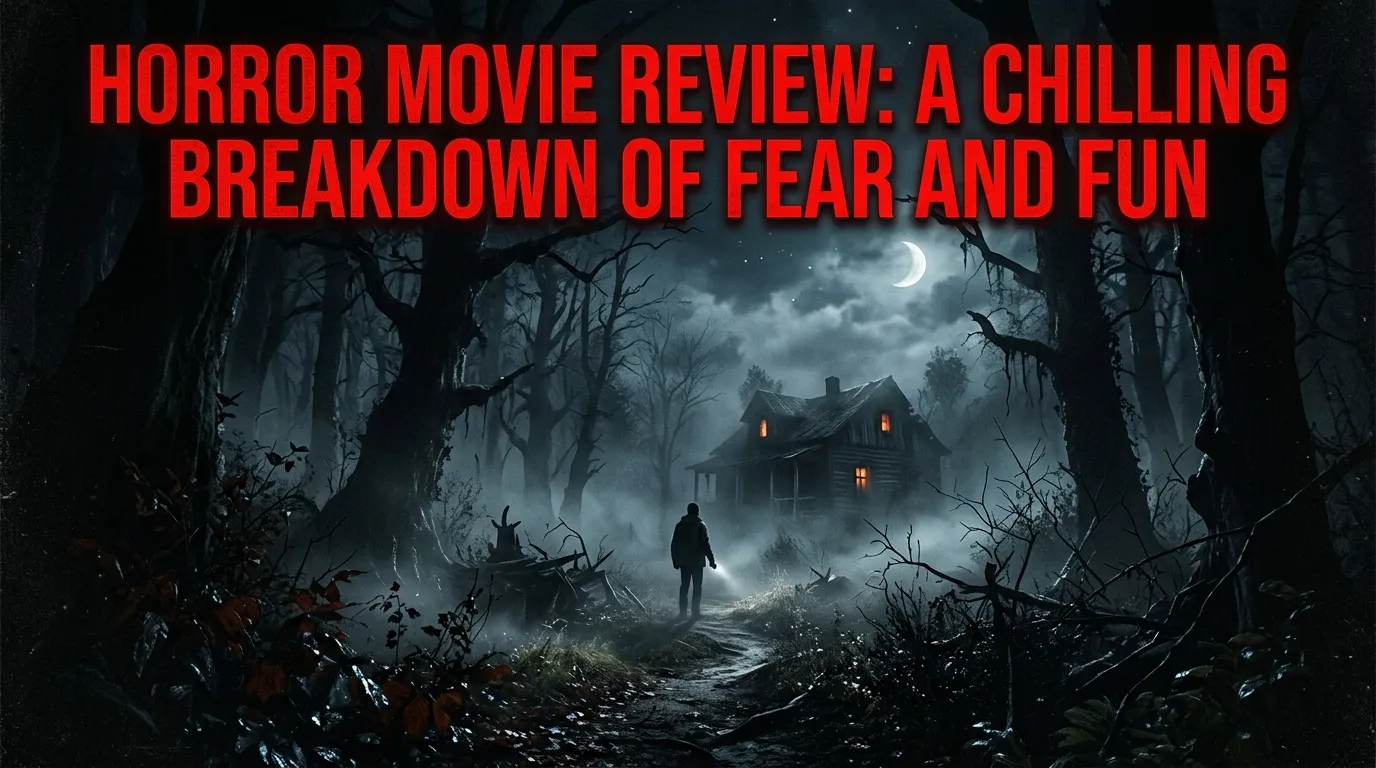
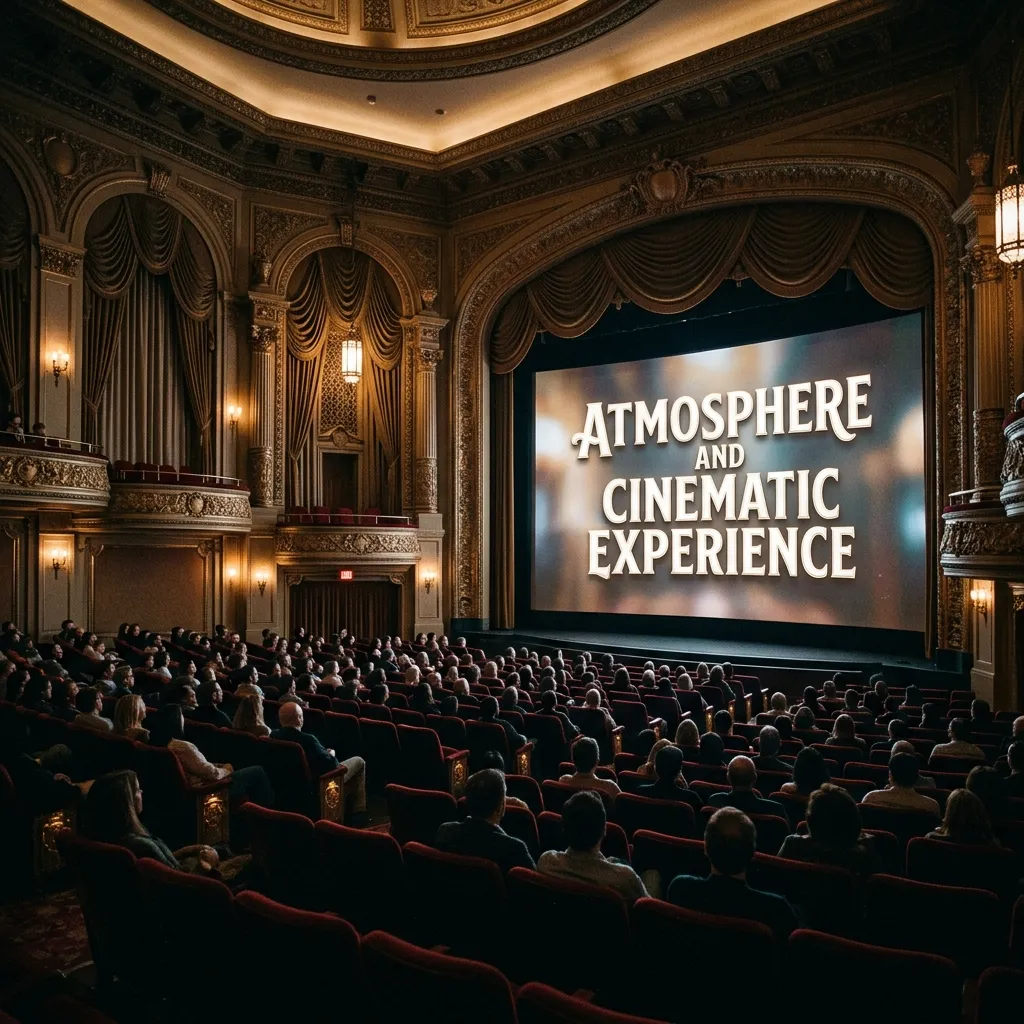 Atmosphere plays a major role in any horror movie review because it sets the emotional tone of the entire film. It includes lighting, sound environment, set design, and overall mood. A dark, eerie, and unsettling atmosphere helps build fear even before anything scary happens. Filmmakers use shadows, silence, and carefully chosen locations to increase tension. A well-written horror movie review examines how effectively these cinematic tools are used to create discomfort and suspense. The overall viewing experience depends heavily on how immersive the atmosphere feels. When done properly, it keeps audiences constantly alert, making every scene feel unpredictable and emotionally intense, which enhances the horror experience significantly.
Characters and Performance Impact
Characters are a crucial part of any horror movie review because they determine how emotionally connected the audience feels to the story. Well-developed characters make viewers care about their survival, increasing tension and fear. Strong acting performances enhance realism by showing fear, panic, and emotional struggle in believable ways. A horror movie review evaluates whether characters behave logically or make unrealistic decisions that weaken the story. When characters feel real, the horror becomes more effective and engaging. Poor character development can reduce the impact of even the most frightening scenes. Therefore, analyzing character depth and performance quality is essential for understanding how successful a horror movie truly is.
Sound Design and Jump Scares
Sound design is a powerful element in any horror movie review because it directly influences how fear is experienced. Creepy background music, sudden silence, and sharp sound effects all help build tension and surprise the audience. A well-timed sound can make a simple moment extremely terrifying. Jump scares, when used properly, are highly effective, but they depend heavily on sound to create impact. A horror movie review examines whether these moments feel natural or forced. Overusing jump scares can reduce their effectiveness and make them predictable. Good sound design enhances immersion, making viewers feel like they are inside the horror environment, which significantly improves the overall experience.
Psychological Horror vs Slasher Films
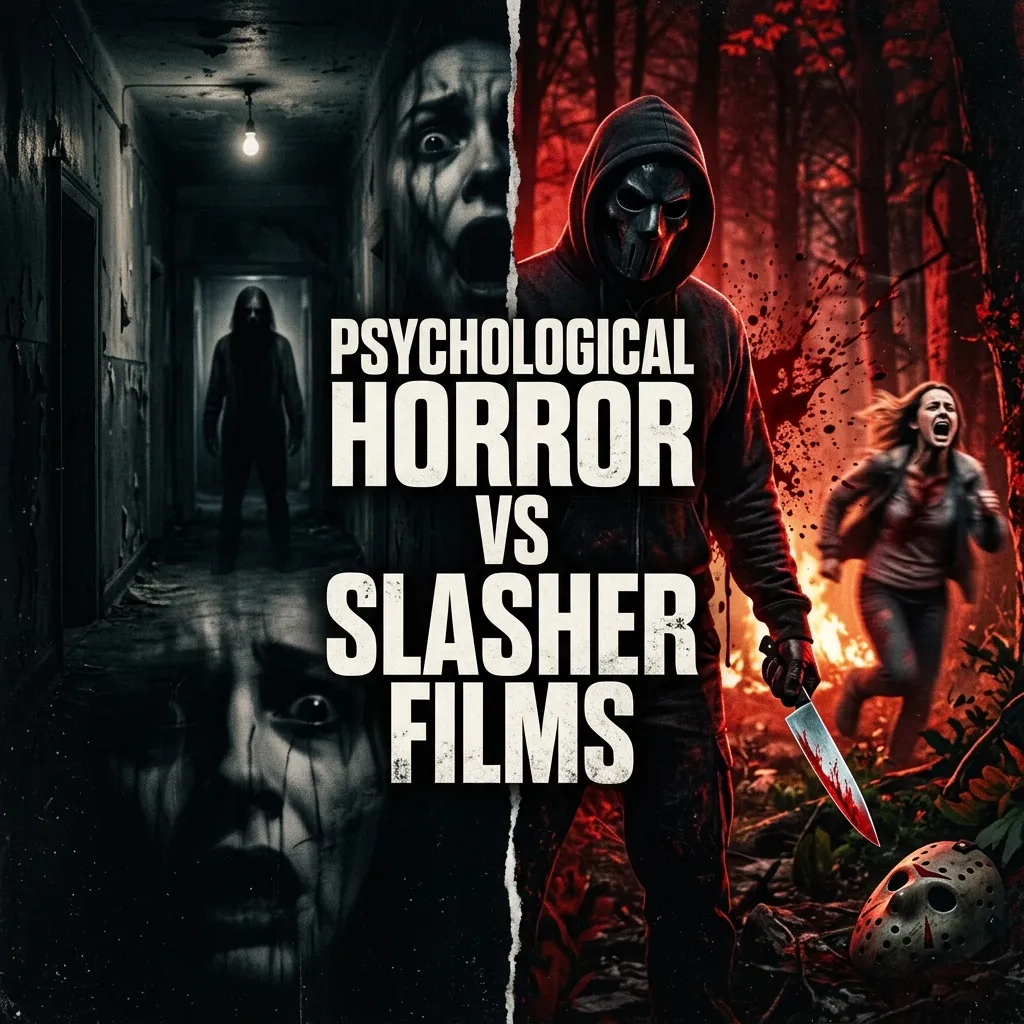 A horror movie review often compares psychological horror and slasher films to explain different fear styles. Psychological horror focuses on mental fear, emotional distress, and disturbing psychological themes that slowly build tension. Slasher films, on the other hand, rely on physical violence, gore, and fast-paced shock moments. Both styles aim to scare audiences but in very different ways. Psychological horror makes viewers think deeply and feel uneasy over time, while slasher films deliver immediate and intense thrills. A review helps identify which category a movie belongs to and whether it successfully achieves its goal. Understanding these differences allows readers to better appreciate the variety within the horror genre.
Rewatch Value and Lasting Impression
Rewatch value is an important factor in any horror movie review because it shows how memorable a film truly is. Some horror movies lose their impact after one viewing, while others become even more interesting over time. A strong horror film often reveals hidden details, foreshadowing, or deeper meaning when watched again. This section evaluates whether the movie stays exciting or becomes predictable after the first experience. Emotional impact also plays a big role in lasting impression, as truly great horror films stay in the viewer’s mind long after they end. Rewatch value helps determine whether the film is just a one-time thrill or a lasting horror classic.
Key Points:
- Measures how enjoyable the film is on repeat viewing
- Hidden details increase long-term interest
- Strong horror films remain engaging over time
- Predictable films lose impact quickly
- Emotional scenes improve lasting impression
| Factor | High Rewatch Value | Low Rewatch Value |
|---|---|---|
| Story Depth | Layered and meaningful | Simple and predictable |
| Scare Effect | Still effective on replay | Becomes less scary |
| Hidden Details | Rich and noticeable | Few or none |
| Emotional Impact | Lasts long after viewing | Quickly fades |
Visual Effects and Cinematography
Visual effects and cinematography are key elements in any horror movie review because they shape how fear is visually presented. Good cinematography uses lighting, angles, and camera movement to create suspense and unease. Techniques like shaky camera work or slow zoom-ins help build tension effectively. Visual effects bring monsters, ghosts, and supernatural elements to life, making horror scenes more believable. However, if effects look unrealistic, they can break immersion and reduce fear. A horror movie review evaluates whether visuals support the story or distract from it. When both cinematography and effects work together smoothly, they create unforgettable and visually striking horror moments that stay with the audience.
Audience Reaction and Emotional Impact
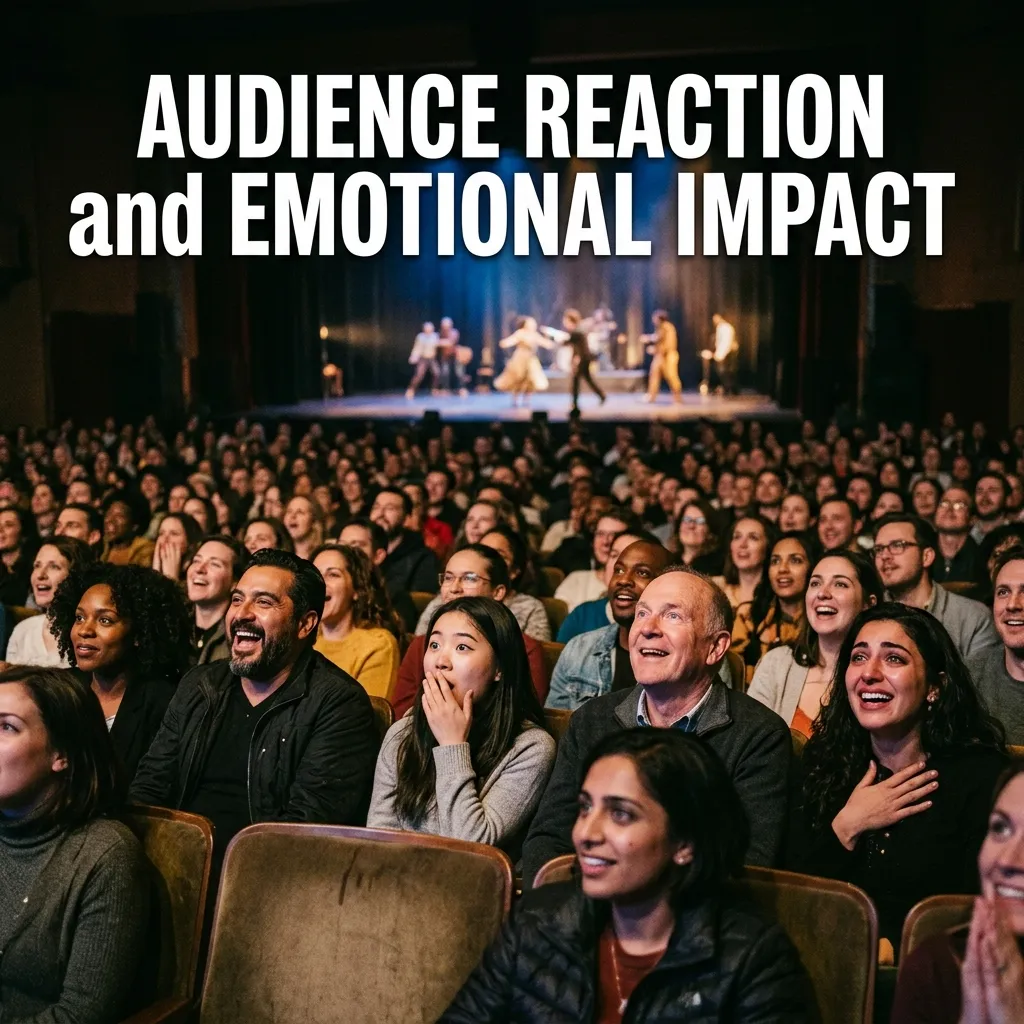 Audience reaction is an important focus in any horror movie review because horror films depend on emotional responses. The main goal of horror is to create fear, tension, shock, or discomfort in viewers. A successful horror movie leaves a lasting impression, while weaker ones are quickly forgotten. A review analyzes whether the film effectively triggers emotional reactions and keeps viewers engaged throughout. It also considers whether the horror experience feels enjoyable, overwhelming, or repetitive. Emotional impact plays a major role in determining a film’s success. If audiences feel deeply connected or frightened, the movie is more likely to be remembered as a strong entry in the horror genre.
Direction and Filmmaking Style
The direction and filmmaking style play a major role in shaping the overall impact of a horror film. In any horror movie review, this section focuses on how the director builds fear through visual storytelling, pacing, and creative choices. A skilled director knows when to slow down scenes for tension and when to shock the audience with sudden twists. Camera movement, framing, and scene transitions all contribute to the emotional intensity. The filmmaker’s style also determines whether the horror feels subtle and psychological or loud and intense. Strong direction ensures that every element of the movie works together to create a consistent and frightening experience for viewers.
Key Points:
- Direction controls pacing and suspense in horror scenes
- Camera angles enhance fear and tension
- Scene timing affects emotional impact
- Filmmaker’s style defines horror tone
- Good direction connects all movie elements smoothly
| Element | Strong Direction Outcome | Weak Direction Outcome |
|---|---|---|
| Pacing | Builds steady tension | Feels rushed or boring |
| Camera Work | Enhances fear and mood | Confusing or distracting |
| Scene Transitions | Smooth and immersive | Breaks suspense |
| Story Flow | Clear and engaging | Disjointed narrative |
Comparing Modern and Classic Horror Films
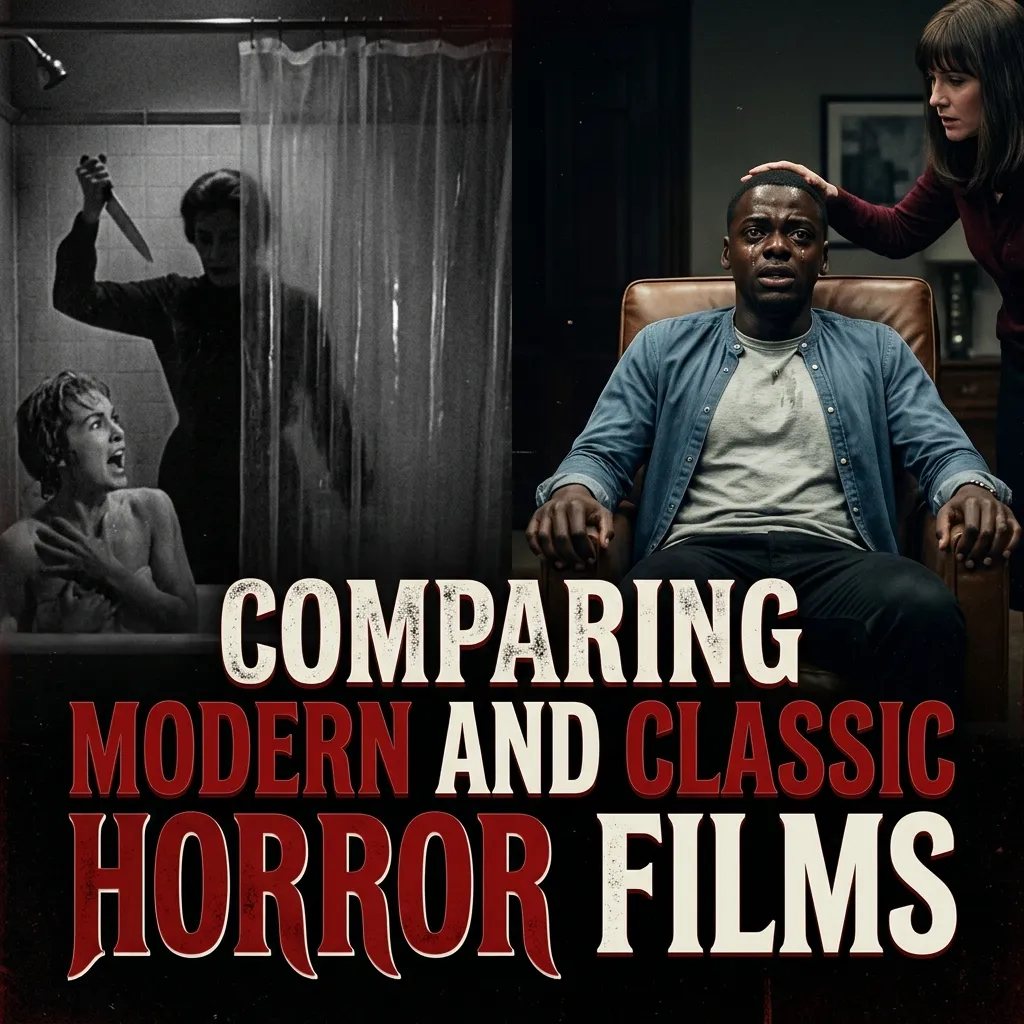 A horror movie review often compares modern and classic horror films to highlight how the genre has evolved. Classic horror movies focused heavily on suspense, atmosphere, and practical effects to create fear. Modern horror films use advanced technology, CGI, and faster storytelling techniques. Both approaches have strengths and weaknesses. Classic horror often feels more subtle and atmospheric, while modern horror delivers visually intense and dramatic experiences. A review helps readers understand how horror has changed over time while still maintaining its core purpose: to scare audiences. Comparing both styles gives a deeper appreciation of how filmmakers continue to innovate within the genre.
Final Verdict in Horror Movie Review
The final verdict in a horror movie review brings together all aspects of the film, including story, characters, visuals, sound, and emotional impact. It provides an overall judgment of whether the movie successfully delivers fear and entertainment. A strong horror film balances all elements effectively, creating a memorable experience for viewers. If key components like storytelling or atmosphere are weak, the film may fail to impress. The final verdict helps readers decide if the movie is worth watching and how it compares to other horror films. This section summarizes the entire analysis and gives a clear conclusion based on the overall quality of the film.