Are you seeking innovative teaching methods? Discover how utilizing underrated indie films can foster emotional intelligence, bringing unprecedented calm and focus to your modern classroom environment.
This comprehensive guide explores the pedagogical power of alternative cinema. We will uncover how integrating underrated indie films into educational frameworks enhances student engagement, promotes mindfulness, and develops media literacy. Learn actionable strategies to transform learning spaces through mindful, focused cinematic experiences.
The Pedagogical Power of Alternative Cinema
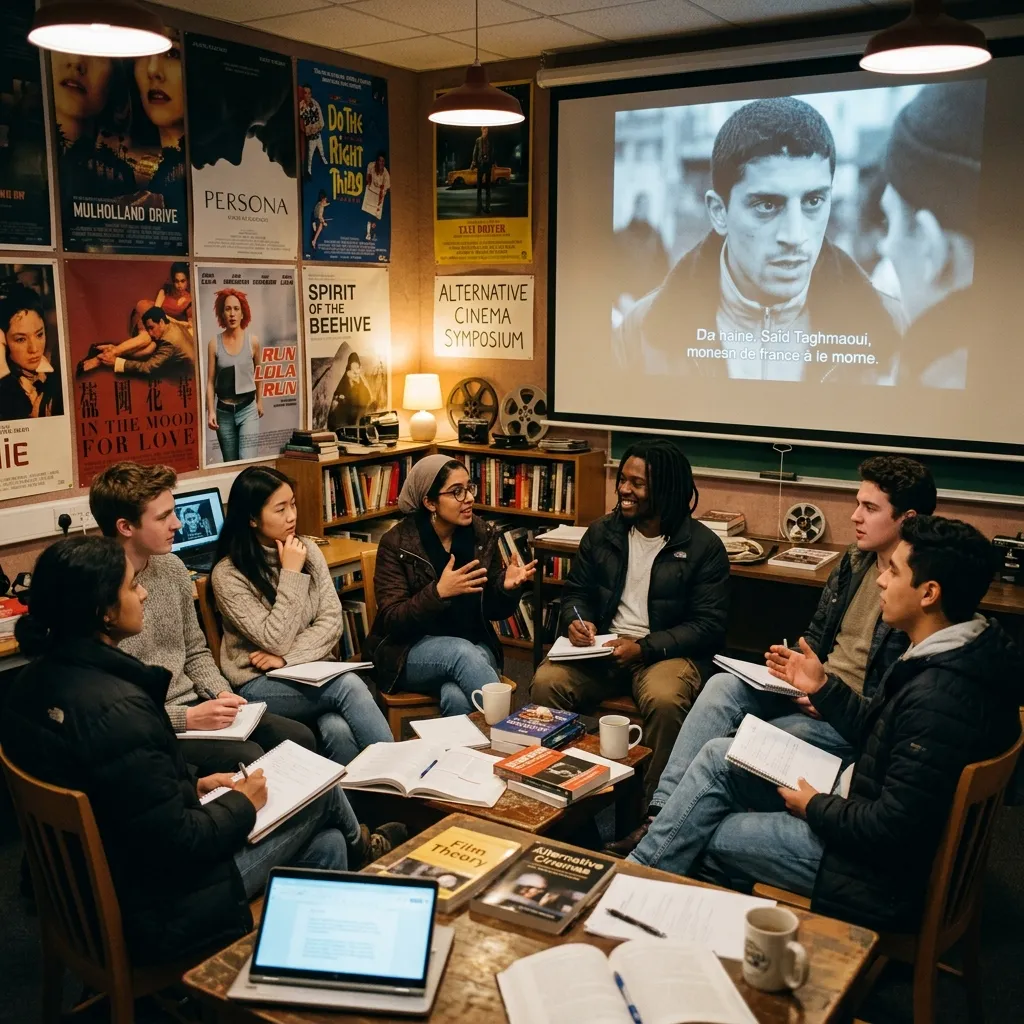 Education constantly evolves, demanding new frameworks to keep students engaged while managing their cognitive load. While mainstream media often overstimulates, integrating underrated indie films offers a profound alternative. These cinematic works prioritize character development, atmospheric pacing, and nuanced storytelling over explosive visuals. By bringing these narratives into the classroom, educators can cultivate an environment of deep observation.
When students watch underrated indie films, they are invited to slow down. The pacing inherent in independent cinema requires patience, teaching learners how to sit with quiet moments. This naturally regulates the nervous system, transforming a chaotic classroom into a sanctuary of calm. As students process complex themes without the distraction of rapid-fire editing, their ability to concentrate on singular tasks improves dramatically. We see a direct correlation between media literacy curriculum and sustained attention spans.
Understanding the Appeal of Indie Cinema
Independent films often thrive on the strength of their originality rather than blockbuster budgets or star power. In today’s crowded entertainment market, these productions stand out by delivering fresh perspectives and prioritizing character depth over special effects. The focus keyword, underrated indie films, naturally aligns with our exploration, as we spotlight movies that slipped under the mainstream radar but have cultivated devoted followings.
At the core of indie cinema’s appeal is authenticity. Filmmakers working outside major studio systems frequently enjoy greater creative freedom, enabling them to take narrative risks and explore unconventional topics. This freedom can yield powerful results: sincere portrayals of mental health, thought-provoking examinations of family dynamics, or experimental storytelling techniques that challenge viewers’ perceptions.
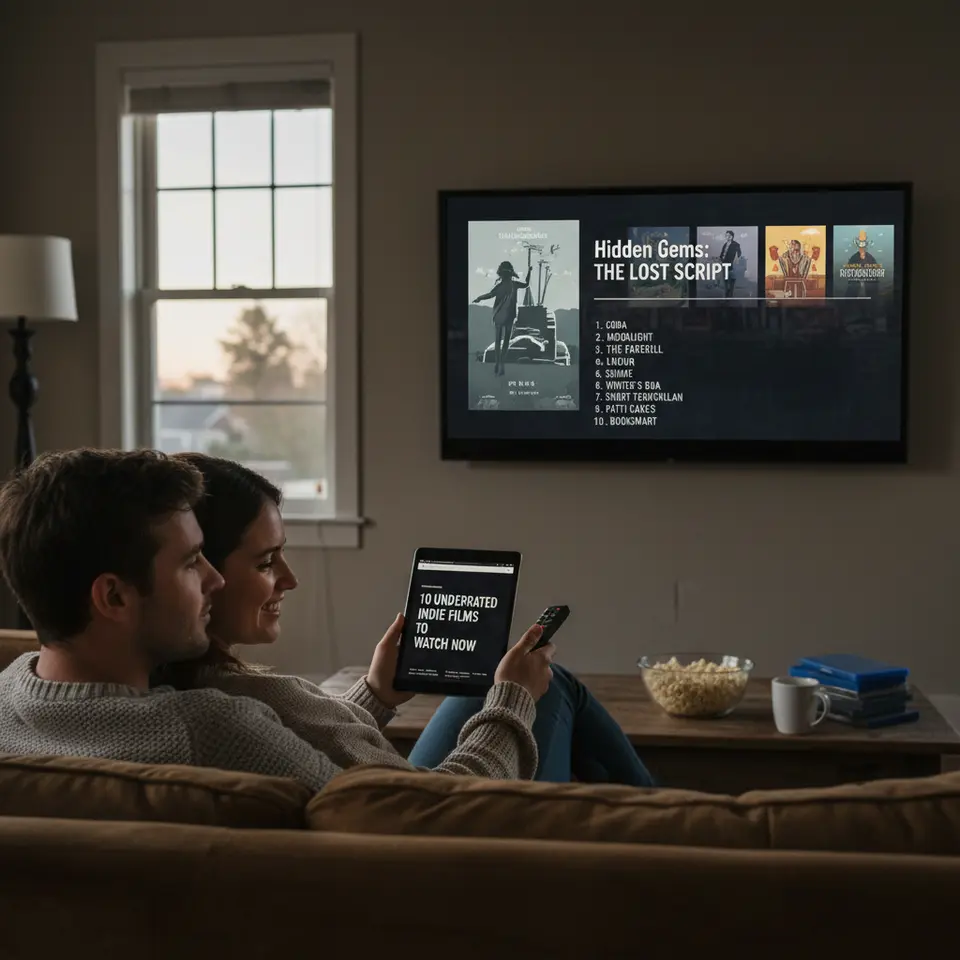
Moreover, the rise of digital distribution platforms has democratized access to these hidden treasures. Services like Netflix, Amazon Prime, MUBI, and Criterion Channel host an ever-growing library of independent titles, making it simpler than ever to discover underrated indie films. University film archives and national preservation programs also play a vital role in restoring and re-releasing classics, ensuring that notable works remain available for new audiences.
When choosing movies for this guide, we considered several criteria: critical acclaim at major festivals, innovative visuals or narrative approaches, wide accessibility on streaming services, and standout performances by emerging talent. The selections that follow reflect a diverse range of genres—from sci-fi thrillers to heartwarming dramas—united by their distinctive voices and enduring impact.
Mind-Bending Science Fiction Mysteries
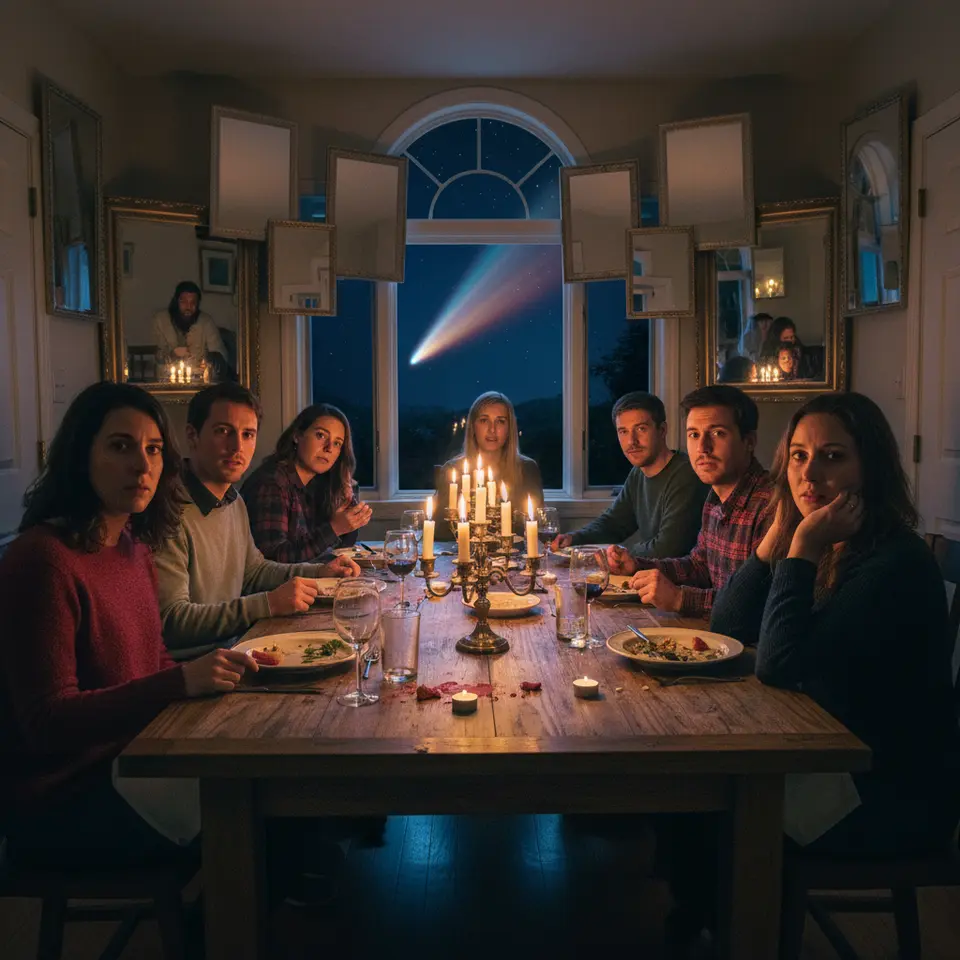 For fans of cerebral storytelling and speculative concepts, indie sci-fi delivers intrigue without the need for big-budget effects. Three underrated indie films in this category demonstrate how minimalist resources can fuel imaginative narratives.
Coherence
Set against the backdrop of a casual dinner gathering, Coherence explores the unsettling consequences of a passing comet. As eight friends share a meal, reality begins to fracture through bizarre coincidences and parallel timelines. Shot on a minimal budget in a single house, the filmmakers rely on improvisation and razor-sharp dialogue to build escalating tension. The result is a tightly wound thriller that keeps viewers guessing until the final frame.
The Endless
The Endless blends cosmic horror with sci-fi speculation, following two brothers who return to the cult they escaped years earlier. They encounter inexplicable phenomena and a disorienting time loop that challenges their understanding of space and existence. Utilizing practical effects and an eerie atmosphere, this film demonstrates how indie directors can evoke both wonder and dread with limited resources.
Another Earth
On the eve of Earth’s twin planet discovery, a tragic accident transforms the lives of two strangers. Another Earth examines themes of redemption, second chances, and ethical responsibility. The film’s contemplative pacing and poignant character study elevate it far above standard sci-fi fare. Though the premise suggests scientific spectacle, the true focus remains on grief and human connection.
These underrated indie films showcase how innovative storytelling can transcend budget limitations. By emphasizing character-driven narratives and conceptual depth, each movie crafts a unique cinematic experience that resonates long after the credits roll.
Emotional Dramas That Resonate
Independent drama often shines by delivering raw, honest portrayals of everyday life and complex relationships. Below are three standout films that exemplify indie drama’s ability to engage hearts and minds.
Short Term 12
Brie Larson stars in Short Term 12 as a supervisor at a group home for at-risk youth. The film presents an unflinching look at trauma, empathy, and personal healing. Through authentic performances and a compassionate script, the story unfolds as both heartbreaking and hopeful. Many viewers find the ensemble cast’s interactions deeply moving, highlighting the power of human connection.
Leave No Trace
Directed by Debra Granik, Leave No Trace follows a father and daughter living off the grid in a national forest. Their peaceful existence is disrupted when societal norms encroach upon their frontier lifestyle. The film offers a tender meditation on freedom, familial bonds, and the tension between autonomy and belonging. Naturalistic cinematography and understated performances reinforce the narrative’s quiet strength.
Blue Valentine
Ryan Gosling and Michelle Williams deliver raw, unforgettable portrayals of a couple navigating the highs and lows of romance. By juxtaposing tender beginnings with painful dissolution, Blue Valentine captures the complexities of love and memory. The nonlinear structure accentuates emotional depth, leaving audiences with a profound reflection on intimacy and regret.
Through intimate domestic settings and character-focused storytelling, these films highlight the emotional potency of low-budget drama. They remind us that authenticity and nuanced performances often matter more than elaborate production elements.
Innovative Thrillers and Minimalist Masterpieces
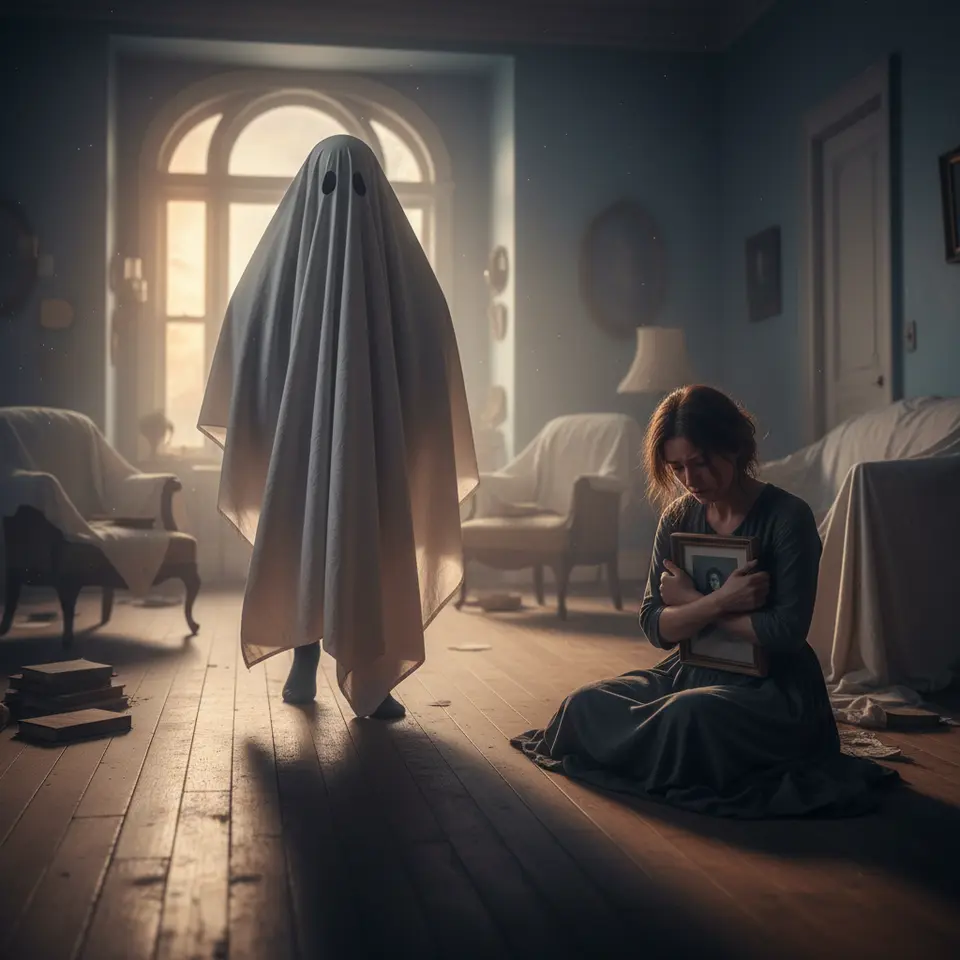 Indie filmmakers frequently employ minimalism to enhance suspense and focus attention on character dynamics. The following examples illustrate how constrained settings and inventive direction can yield compelling thrillers.
Blue Ruin
Blue Ruin tells the story of a man seeking vengeance after a violent crime. Director Jeremy Saulnier subverts typical revenge tropes by presenting a protagonist who is ill-equipped for the brutality he faces. The result is a slow-burning, atmospheric thriller that feels both realistic and relentless. Sparse dialogue and gritty visuals underscore the film’s tension.
Locke
Entirely set within a car cabin, Locke follows a construction manager on a late-night drive to London. Each phone call peels back layers of his personal and professional life, revealing crises that threaten everything he holds dear. The film’s reliance on a single actor and confined space showcases the impact of minimalist filmmaking. Tom Hardy’s nuanced performance keeps viewers riveted throughout the journey.
Structured Comparison: Mainstream Media vs. Independent Cinema
To truly understand the value of this approach, we must contrast standard educational media with independent alternatives.
|
Feature |
Mainstream Educational Media |
underrated indie films |
Impact on Student Focus |
|---|---|---|---|
|
Pacing |
Fast, highly stimulating |
Slow, deliberate, atmospheric |
Reduces cognitive overload; promotes calm |
|
Narrative Structure |
Predictable, resolution-heavy |
Open-ended, complex |
Encourages critical thinking and prolonged attention |
|
Visual Style |
Saturated, CGI-dependent |
Naturalistic, grounded |
Prevents sensory fatigue |
|
Emotional Depth |
Explicit, surface-level |
Implicit, requires interpretation |
Builds empathy and analytical skills |
|
Classroom Vibe |
High energy, scattered |
Quiet, reflective |
Transforms chaotic environments into focused spaces |
Step-by-Step Guide: Implementing Film Studies in the Daily Curriculum
Bringing underrated indie films into your lesson plans requires strategy. You cannot simply play a movie and expect a transformation. It requires structured student engagement.
Step 1: Curate Age-Appropriate Selections
Begin by sourcing films that align with your students’ developmental stages. Look for stories that tackle themes relevant to their lives—friendship, identity, resilience—but deliver them through quiet, thoughtful direction.
Step 2: Establish Viewing Protocols
Create a physical environment conducive to focus. Dim the lights, ensure comfortable seating, and establish a “no devices” rule. Frame the viewing of underrated indie films as a mindful practice rather than simple entertainment.
Step 3: Implement Pause-and-Reflect Intervals
Do not watch the entire film in one sitting. Pause at critical, quiet moments. Ask students to journal about what they observe in the silence. This cognitive development exercise forces them to articulate abstract feelings and observations.
Step 4: Facilitate Open-Ended Discussions
After viewing, guide discussions away from simple “did you like it?” questions. Ask how the pacing made them feel. Discuss the color palette and the use of silence. Underrated indie films are rich with subtext; teach students how to mine for it.
Common Mistakes to Avoid
Even the best educators stumble when introducing new media formats. Avoid these pitfalls to ensure maximum impact:
- Treating it like a reward: Never frame the viewing of underrated indie films as a “free day” or a reward for good behavior. It must be integrated as core curriculum to maintain its academic value.
- Over-explaining the plot: Allow students to experience confusion. The struggle to understand the narrative of underrated indie films builds cognitive resilience.
- Selecting overly abstract content: While you want to challenge students, choosing avant-garde films that completely lack narrative structure will alienate them. Find the middle ground.
- Skipping the debrief: The educational transformation happens in the discussion following the film. Without a guided debrief, the mindful benefits dissipate quickly.
Expert Insights and Pro Tips for Educators
To maximize the transformative power of this approach, consider these advanced strategies:
- Pro Tip 1: Use Soundscapes: Before showing the visual component of underrated indie films, play just the audio of a quiet scene. Have students visualize the setting. This sharpens auditory processing and focuses the mind.
- Pro Tip 2: Cross-Curricular Integration: Connect the themes of the film to historical events or scientific concepts. For example, a quiet film about farming can anchor a biology lesson on ecosystems.
- Pro Tip 3: Empower Student Choice: Once students understand the framework, allow them to research and propose their own selections of underrated indie films for the class to analyze. This builds incredible ownership over their learning.
Frequently Asked Questions
1. What makes underrated indie films effective for classroom focus?
These films naturally utilize slower pacing and atmospheric storytelling. This deliberate tempo reduces sensory overload, lowering student anxiety and promoting a calm, highly focused environment conducive to deep cognitive processing and emotional reflection.
2. How do I select appropriate underrated indie films for my students?
Focus on character-driven stories with themes relevant to your curriculum. Ensure the content aligns with maturity levels. Look for narratives that prioritize dialogue and emotional nuance over action, fostering empathy and advanced media literacy.
3. Can watching underrated indie films improve academic performance?
Yes. By training the brain to engage in sustained attention and active viewing, students strengthen neural pathways required for complex problem-solving. This improved concentration translates to better performance in reading comprehension and analytical subjects.
4. How long should viewing sessions of underrated indie films last?
For optimal focus, break films into 15 to 20-minute segments. This prevents fatigue and allows educators to insert pause-and-reflect intervals, ensuring students actively process the narrative rather than passively consuming the media.
5. What if students find underrated indie films boring?
Initial resistance is normal for students accustomed to fast-paced media. Frame the experience as a mindfulness exercise. Guide them to observe specific elements like lighting or silence, gradually building their tolerance for nuanced, slower narratives.
6. How does this fit into social-emotional learning frameworks?
The complex characters in underrated indie films provide excellent case studies for emotional regulation and empathy. Students learn to interpret non-verbal cues and subtext, essential skills for navigating real-world interpersonal relationships and personal development.
7. Are underrated indie films suitable for STEM classes?
Absolutely. A film’s pacing and focus on detailed observation can complement scientific methodologies. Furthermore, documentaries or narratives focusing on environmental, mathematical, or engineering challenges offer excellent cross-curricular integration opportunities.
8. What is the biggest mistake when using this teaching method?
The most common mistake is using these films simply as background entertainment or Friday rewards. To be effective, the viewing must be structured, intentional, and followed by rigorous discussion to unlock its true pedagogical value.
9. How do underrated indie films help with classroom behavior management?
The atmospheric, quiet nature of these films helps lower the collective heart rate of the classroom. This physiological shift reduces hyperactive behaviors, creating a sanctuary of calm that carries over into subsequent daily lessons.
10. Can parents use underrated indie films to help children focus at home?
Yes. Parents can replace hyper-stimulating weekend entertainment with these films to help children practice patience and emotional intelligence. Co-viewing and discussing the themes also strengthens family bonds and reinforces critical thinking outside of school.