Welcome to our definitive sci-fi blockbuster review, where we unpack the year’s biggest cinematic sensation. Discover the hidden depths of this phenomenal interstellar journey today.
This comprehensive guide explores every facet of the newest space epic. You will uncover expert insights, evaluate stunning visual achievements, and understand the narrative mechanics that make this film a triumph. Expect actionable takeaways, detailed comparisons, and a deep dive into cinematic excellence.
The Dawn of a New Cinematic Era
 The modern film landscape continuously evolves, but occasionally a movie arrives that shifts our entire perspective on the universe. In this extensive sci-fi blockbuster review, we analyze the highly anticipated adaptation of Project Hail Mary. Directed by visionary filmmakers and starring Ryan Gosling as Dr. Ryland Grace, this film offers a masterclass in tension, discovery, and emotional resonance. The journey from page to screen requires immense dedication, and our sci-fi blockbuster review will break down exactly how this film achieves its monumental status.
When you look at the cinematic adaptation of popular novels, the challenge lies in balancing fan expectations with mainstream appeal. Filmmakers must translate complex internal monologues into compelling visual storytelling. Here, the directors utilize dynamic camera work and an evocative score to convey the isolation of deep space. Every good sci-fi blockbuster review must acknowledge the difficulty of this task. The creators successfully capture the essence of the source material while introducing innovative stylistic choices that keep audiences glued to their seats.
Navigating the Narrative Structure
The narrative structure of this film oscillates between present-day survival and essential flashbacks. This non-linear approach requires careful pacing. As we highlight in this sci-fi blockbuster review, the choice to reveal Grace’s past incrementally serves two purposes. First, it builds suspense regarding the exact nature of his mission. Second, it allows the audience to experience his amnesia alongside him. You feel his confusion, his gradual realization, and his ultimate acceptance of the heavy burden placed upon his shoulders.
Character Development and Emotional Arcs
The introduction of the extraterrestrial character, Rocky, shifts the film into unexpected territory. Suddenly, the narrative introduces buddy comedy dynamics within a high-stakes survival scenario. As noted in our sci-fi blockbuster review, the chemistry between Grace and this faceless, crystalline entity is nothing short of miraculous. The filmmakers use music, movement, and a cleverly designed communication interface to build a friendship that feels incredibly authentic. This relationship forms the beating heart of the movie, elevating it beyond standard genre tropes.
Visual Effects and Audio Mastery
A cornerstone of any sci-fi blockbuster review is the evaluation of technical achievements. The visual effects team delivers a universe that is both terrifying and breathtakingly beautiful. The vast emptiness of space contrasts sharply with the intricate, claustrophobic design of the Hail Mary vessel. The use of practical effects blended seamlessly with CGI gives the ship a tangible, lived-in quality. You can almost smell the recycled air and feel the hum of the engines.
Comparison Table: Analyzing Modern Space Epics
To provide context in this sci-fi blockbuster review, let us compare this latest release with other defining films of the genre.
|
Feature |
Project Hail Mary |
The Martian |
Interstellar |
|---|---|---|---|
|
Primary Theme |
Friendship and Sacrifice |
Human Ingenuity and Survival |
Love Transcending Time |
|
Pacing |
Non-linear, dual timeline |
Linear, day-by-day progression |
Epic, multi-generational |
|
Scientific Tone |
Highly accessible, educational |
Gritty, realistic problem-solving |
Theoretical, quantum physics |
|
Visual Style |
Claustrophobic to expansive |
Bright, vast desert landscapes |
Grandiose, overwhelming scale |
|
Emotional Core |
Interspecies diplomacy |
Global solidarity |
Familial bonds |
Expert Insights and Directorial Vision
 Understanding the directorial vision is essential when evaluating the success of the film. The directors have a history of subverting expectations, and they apply that same philosophy here. In our ongoing sci-fi blockbuster review, we note their deliberate choice to avoid excessive grimness. Despite the apocalyptic stakes—the potential extinction of life on Earth—the film maintains an undercurrent of optimism. It celebrates the scientific method, curiosity, and the fundamental decency of intelligent life.
Pro Tips for Aspiring Filmmakers:
- Prioritize character over spectacle. Visuals matter, but emotional resonance creates a lasting impact.
- Treat the audience with respect. You do not need to over-explain every scientific concept; allow context clues to do the heavy lifting.
- Embrace silence. In the vacuum of space, the absence of sound can be more terrifying than the loudest explosion.
Common Mistakes to Avoid in Genre Filmmaking
When conducting a sci-fi blockbuster review, patterns of failure in other films become evident. Filmmakers often fall into traps that dilute the impact of their stories.
- Sacrificing Logic for Action: Audiences easily disengage when a movie breaks its own established rules just to force an action sequence.
- Overwhelming Exposition: While world-building is necessary, “info-dumping” through unnatural dialogue halts the pacing.
- Neglecting the Ending: A brilliant setup means nothing if the resolution feels unearned or overly contrived.
Deep Dive into Thematic Resonance
The thematic layers of the movie demand thorough exploration. At its core, the story examines the burden of knowledge and the ethics of survival. As we dissect the plot in this sci-fi blockbuster review, we uncover profound questions about what it means to be a hero. Ryland Grace is not a typical action star; he is a teacher thrust into an impossible situation. His heroism stems from his intellect, his empathy, and his willingness to learn from his mistakes.
Furthermore, the concept of sacrifice permeates the narrative. The film asks what an individual owes to their species and, conversely, what different species might owe to one another in the face of mutual destruction. Any comprehensive sci-fi blockbuster review must tackle these philosophical inquiries. The movie does not provide easy answers, but it offers a hopeful perspective on universal cooperation.
The Importance of World-Building
Creating a believable universe requires meticulous attention to detail. The design of the alien technology, the biological imperatives of the foreign species, and the astrophysics of the stellar phenomena all contribute to the immersion. In this section of our sci-fi blockbuster review, we praise the production designers for their innovative approach. They ignored traditional flying saucer tropes in favor of designs rooted in functional, evolutionary biology.
This dedication to world-building extends to the earthly flashbacks as well. The depiction of a global crisis managed by a pragmatic, unrelenting task force feels frighteningly realistic. Sandra Hüller’s performance as the ruthless administrator perfectly encapsulates the moral compromises required to save humanity. Her dynamic with Gosling provides the film with its sharpest intellectual conflicts, a highlight of this sci-fi blockbuster review.
Maximizing the Theatrical Experience
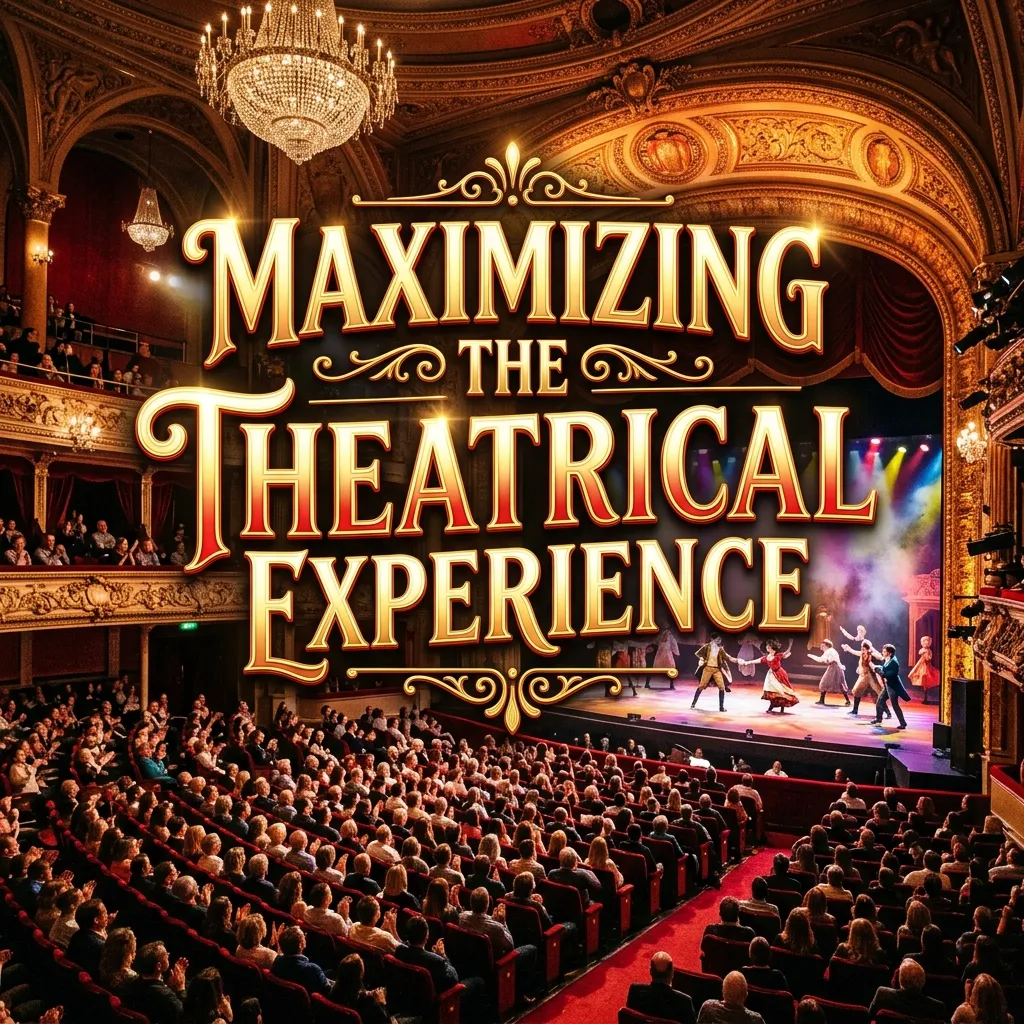 To truly appreciate the scope of this film, one must consider the viewing environment. This sci-fi blockbuster review highly recommends seeking out the largest screen and best sound system available. The sweeping jets of cosmic vapor and the piercing clarity of the alien communication chords demand a premium theatrical format. Home viewing, while convenient, diminishes the awe-inspiring scale that the directors painstakingly crafted.
Additionally, the communal experience of discovering the film’s twists alongside an audience enhances the emotional beats. Hearing the collective gasps during moments of peril and the shared laughter during the lighter, comedic interactions solidifies the film’s status as a crowd-pleaser. A well-rounded sci-fi blockbuster review acknowledges that movies of this magnitude are cultural events meant to be shared.
The Evolution of the Genre
Looking back at the history of cinema, space exploration has always been a vehicle for exploring human nature. From the philosophical stillness of 2001: A Space Odyssey to the kinetic energy of modern thrillers, the genre continually reinvents itself. Our sci-fi blockbuster review positions this latest entry as a bridge between hard science fiction and accessible, mainstream entertainment. It proves that you do not need to sacrifice intelligence to achieve commercial success.
The integration of advanced storytelling mechanics ensures that the narrative remains propulsive even during exposition-heavy scenes. The film uses visual metaphors—like the intricate construction of the xenonite chains—to illustrate complex ideas without bogging down the pacing. This technique is a hallmark of excellent filmmaking and a primary focus of our sci-fi blockbuster review.
Evaluating the Climax and Resolution
The third act of any film makes or breaks the entire experience. Without venturing into spoiler territory, the climax of this story tests the limits of the characters’ resolve. In this portion of our sci-fi blockbuster review, we examine how the directors manage the escalating tension. The pacing accelerates, the score swells, and the visual language becomes increasingly frantic. It is a masterful orchestration of cinematic elements designed to keep you on the edge of your seat.
The resolution, however, offers a complex mixture of triumph and melancholy. As discussed in our sci-fi blockbuster review, the choices made by the protagonist challenge conventional Hollywood endings. The film opts for a conclusion that is emotionally satisfying yet thought-provoking, leaving the audience to ponder the true cost of salvation long after the credits roll.
Ultimately, every thorough sci-fi blockbuster review reveals that this film fundamentally redefines the genre. We hope our extensive analysis enhances your viewing experience and appreciation of true cinematic artistry. Share your thoughts in the comments below, grab your tickets, and subscribe to our newsletter for more expert breakdowns of your favorite cinematic adventures!
Conclusion
Frequently Asked Questions
1. What makes this movie stand out from other space exploration films?
This film distinguishes itself by seamlessly blending high-stakes survival with genuine buddy comedy dynamics. Unlike darker, more cynical space epics, it maintains a core of optimism, celebrating scientific curiosity and the universal power of friendship across species.
2. Is the science in the movie accurate?
While it takes creative liberties necessary for a thrilling narrative, the film is deeply rooted in real scientific principles. The author of the source material is known for extensive research, and the movie adaptation works hard to keep the physics, chemistry, and biology as plausible as possible within a fictional framework.
3. Do I need to read the book before watching the film?
No, the film functions perfectly as a standalone experience. The directors have crafted a highly accessible narrative that explains the necessary backstory and scientific concepts clearly without requiring any prior knowledge of the novel.
4. Is the movie suitable for younger audiences?
The film is generally rated for teens and adults due to intense situations, themes of global peril, and some language. However, it lacks the extreme violence or horror elements found in other sci-fi thrillers, making it a great choice for families with older children interested in science.
5. How are the visual effects handled?
The visual effects are a masterful blend of practical sets and cutting-edge CGI. The interior of the spaceship feels claustrophobic and tactile, while the exterior space sequences are grand and expansive, utilizing state-of-the-art rendering to create a truly immersive universe.
6. Who composed the score for the film?
The film features a splashy, dynamic score by an acclaimed composer known for elevating tension and emotion. The music plays an integral role, particularly because sound and musical chords are used as a primary method of communication with the alien character.
7. What format is best for viewing this film?
To fully appreciate the sweeping visuals and intricate sound design, it is highly recommended to view this movie in an IMAX or premium large-format theater. The sheer scale of the space sequences benefits greatly from the largest screen possible.
8. Does the film have a post-credits scene?
While we want to avoid specific spoilers, it is always a good practice for modern moviegoers to sit through the credits. However, the primary emotional and narrative arcs are fully resolved before the credits begin rolling.
9. How does Ryan Gosling’s performance anchor the story?
Gosling carries the heavy burden of acting entirely alone for a significant portion of the runtime. His ability to convey profound isolation, physical exhaustion, and sharp intellectual wit keeps the audience deeply connected to his character’s journey from start to finish.
10. Will there be a sequel?
The story is designed as a complete, self-contained narrative with a definitive resolution. While Hollywood often explores franchises, the source material does not currently have a direct sequel, making this a beautifully packaged standalone adventure.