Welcome to our definitive Indiana Jones and the Dial of Destiny Movie Review. We explore Harrison Ford’s final adventure, analyzing plot, characters, and cinematic execution deeply.
This Indiana Jones and the Dial of Destiny Movie Review covers the nostalgic return of the iconic archaeologist. We evaluate the action sequences, James Mangold’s direction, the controversial de-aging technology, and Phoebe Waller-Bridge’s performance, providing ultimate value for dedicated franchise fans everywhere.
The Return of a Cinematic Legend
When fans seek a comprehensive Indiana Jones and the Dial of Destiny Movie Review, they primarily want to know if Harrison Ford’s final outing respects the character’s legacy. Director James Mangold steps into the massive shoes left by Steven Spielberg, delivering a film that bridges the gap between classic adventure and modern blockbuster sensibilities. Writing an Indiana Jones and the Dial of Destiny Movie Review requires addressing the heavy burden of nostalgia. The film opens with a thrilling sequence set in 1944, featuring a de-aged Harrison Ford battling Nazis on a speeding train. This opening immediately sets a high bar, reminding audiences why they fell in love with the franchise.
Our Indiana Jones and the Dial of Destiny Movie Review must highlight that the narrative quickly jumps to 1969. The Apollo 11 astronauts have just returned from the moon, and the world has moved on from dusty relics to the stars. Indiana Jones feels obsolete. This thematic shift provides a poignant foundation for the film. You will notice in this Indiana Jones and the Dial of Destiny Movie Review that we appreciate how the script handles aging. Mangold does not shy away from the physical and emotional toll time has taken on the legendary hero.
Analyzing the Plot and Pacing

Every thorough Indiana Jones and the Dial of Destiny Movie Review must scrutinize the narrative structure. The central MacGuffin is the Archimedes Dial, an ancient artifact rumored to locate fissures in time. This plot device drives the entire 154-minute runtime. While some fans find the pacing uneven, our Indiana Jones and the Dial of Destiny Movie Review notes that the deliberate buildup allows for necessary character development.
The story truly kicks into high gear when Helena Shaw, played by Phoebe Waller-Bridge, bursts into Indy’s life. As the daughter of his old friend Basil Shaw, she brings a chaotic, mercenary energy to the screen. A crucial point in this Indiana Jones and the Dial of Destiny Movie Review is the dynamic between Indy and Helena. Their banter feels reminiscent of classic action adventure tropes, balancing humor with high stakes. They embark on a global chase, moving from the bustling streets of New York to the vibrant markets of Tangier, and eventually to the historic depths of Syracuse.
The Villains: Mads Mikkelsen Shines
No Indiana Jones and the Dial of Destiny Movie Review is complete without discussing the antagonists. Mads Mikkelsen plays Dr. Jürgen Voller, a former Nazi scientist now working for the American space program. Mikkelsen delivers a chillingly restrained performance. As we detail in this Indiana Jones and the Dial of Destiny Movie Review, Voller is not just a cartoonish bad guy; he is a calculating fanatic obsessed with correcting the mistakes of the past.
Voller’s henchmen add physical threat, though they sometimes lack the memorable quirks of past franchise villains. Still, any serious Indiana Jones and the Dial of Destiny Movie Review will acknowledge that Mikkelsen elevates the material. His presence anchors the film’s conflict, providing a worthy intellectual and ideological foil to the aging archaeologist. You can learn more about Mikkelsen’s brilliant acting choices by visiting the official IMDb page for cast details.
Visual Effects and Action Choreography
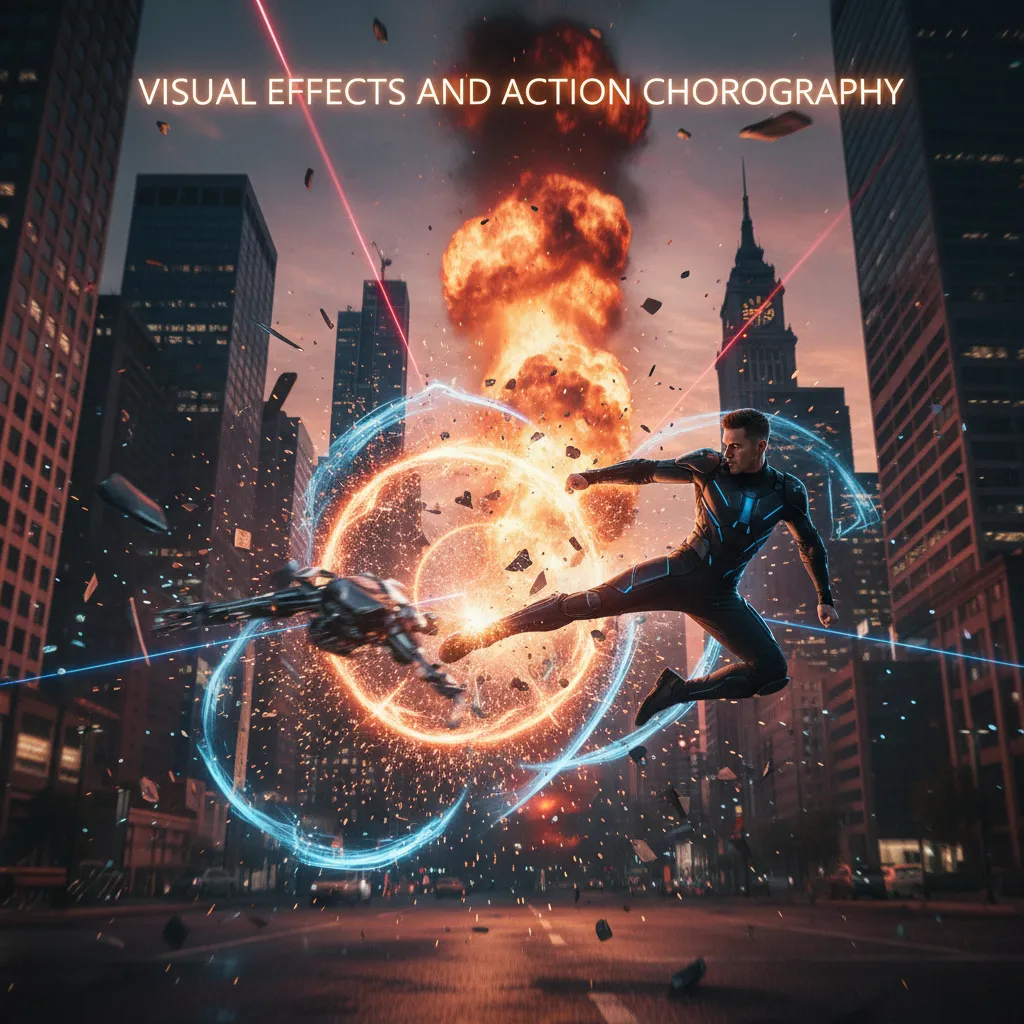
A major talking point in every Indiana Jones and the Dial of Destiny Movie Review centers around the visual effects. The opening prologue relies heavily on deepfake de-aging technology. While it represents a significant technological leap, this Indiana Jones and the Dial of Destiny Movie Review must point out occasional uncanny valley moments. The digital smoothing sometimes masks Ford’s natural micro-expressions, though the voice acting remains stellar.
Once the film transitions to 1969, the practical effects and stunt work take center stage. James Mangold brings a gritty realism to the action, similar to his work on other films. In this Indiana Jones and the Dial of Destiny Movie Review, we applaud the Tangier tuk-tuk chase. It is a frantic, beautifully choreographed sequence that relies less on green screens and more on kinetic, in-camera stunt work. However, some underwater scenes later in the film suffer from murky CGI, a flaw we must objectively note in our Indiana Jones and the Dial of Destiny Movie Review.
The Musical Score by John Williams
We cannot write an Indiana Jones and the Dial of Destiny Movie Review without praising John Williams. At over 90 years old, Williams returns to compose an exquisite score that ties the emotional beats of the film together. This Indiana Jones and the Dial of Destiny Movie Review celebrates Helena’s Theme, a sweeping, sweeping piece that evokes the golden age of Hollywood strings. The music elevates every scene, reminding us of the undeniable power of classic cinema nostalgia.
Performances and Character Arcs
At the heart of this Indiana Jones and the Dial of Destiny Movie Review is Harrison Ford’s remarkable performance. Ford embodies the weariness, grief, and enduring courage of a man out of time. His vulnerability regarding his estranged wife Marion and his lost son Mutt adds profound emotional weight. Any Indiana Jones and the Dial of Destiny Movie Review worth reading will highlight the scene on the boat where Indy explains what he would do with the dial. It is a masterful, heartbreaking piece of acting that ranks among Ford’s best work.
Phoebe Waller-Bridge injects modern sensibilities into a classic framework. Her character, Helena, is morally ambiguous, prioritizing profit over preservation. Throughout this Indiana Jones and the Dial of Destiny Movie Review, we analyze her arc from a cynical smuggler to a loyal companion. The chemistry between Ford and Waller-Bridge drives the film forward during its exposition-heavy second act.
Supporting Cast Contributions
Our Indiana Jones and the Dial of Destiny Movie Review also recognizes the wonderful supporting cast. Ethann Isidore plays Teddy, a resourceful street kid serving as Helena’s sidekick. Antonio Banderas makes a brief but impactful appearance as Renaldo, an expert deep-sea diver. John Rhys-Davies returns as Sallah, bringing immense heart and a comforting dose of familiarity. His scenes with Indy in New York are a highlight of this Indiana Jones and the Dial of Destiny Movie Review, perfectly capturing the theme of aging heroes longing for the desert sun.
Directorial Shift: James Mangold’s Vision
Taking over from Steven Spielberg is no small feat, and this Indiana Jones and the Dial of Destiny Movie Review examines how James Mangold handles the pressure. Spielberg’s kinetic, highly stylized framing is replaced by Mangold’s more grounded, character-focused lens. While some critics argue the film lacks the Spielbergian spark, our Indiana Jones and the Dial of Destiny Movie Review argues that Mangold’s style fits the somber tone of an older Indiana Jones perfectly.
Mangold understands how to deconstruct legendary heroes, much like he did with Hugh Jackman in Logan. This Indiana Jones and the Dial of Destiny Movie Review finds parallels between the two films. Both feature aging protagonists facing their mortality while protecting a younger ward. Mangold ensures that the emotional stakes match the physical ones, making the third act deeply resonant. You can read more about directorial analysis on platforms like Roger Ebert.
Comparing the Franchise Entries
To provide maximum value, this Indiana Jones and the Dial of Destiny Movie Review includes a structured comparison of the franchise. Understanding where this film sits among its peers helps contextualize its achievements and flaws.
Comparison Table: Original Trilogy vs. Modern Entries
|
Film Element |
Original Trilogy (Raiders, Temple, Crusade) |
Modern Entries (Crystal Skull, Dial of Destiny) |
|---|---|---|
|
Pacing |
Relentless, snappy, serialized action |
Deliberate, character-driven, longer runtimes |
|
Effects |
Practical stunts, matte paintings, miniatures |
Heavy reliance on CGI, digital de-aging, green screens |
|
Protagonist |
Energetic, invincible, confident, quick-witted |
Vulnerable, aging, reflective, emotionally scarred |
|
Tone |
Optimistic, adventurous, mythical, pulp-fiction |
Melancholic, nostalgic, grounded, legacy-focused |
|
Villains |
Operatic, terrifying, classic pulp antagonists |
Bureaucratic, scientifically driven, subtly sinister |
As shown in our Indiana Jones and the Dial of Destiny Movie Review comparison, the franchise has evolved from pulp serialization to a meditation on aging and legacy.
Common Mistakes to Avoid When Watching
To fully enjoy the film, this Indiana Jones and the Dial of Destiny Movie Review outlines a few common traps audiences fall into.
- Expecting a 1980s Harrison Ford: Recognize that the narrative is fundamentally about an aging man.
- Over-analyzing the CGI: While the de-aging is not perfect, focusing solely on the pixels ruins the excellent action choreography.
- Comparing it purely to Raiders of the Lost Ark: Every Indiana Jones and the Dial of Destiny Movie Review must state that nothing will top the original. Enjoy this as a poignant epilogue rather than a relentless action piece.
- Dismissing Helena Shaw too early: Allow Waller-Bridge’s character time to grow; her initial arrogance is a deliberate character flaw designed for a rewarding arc.
Pro Tips and Expert Insights for Fans
To enhance your viewing experience, our Indiana Jones and the Dial of Destiny Movie Review offers these expert insights.
- Listen to the Score: Pay close attention to how John Williams weaves the classic Raiders March into the slower, more emotional scenes.
- Watch for Easter Eggs: Keep an eye out for subtle nods to previous adventures, including the Blood of Kali and references to the Ark. These details enrich the world-building immensely.
- Analyze the Third Act: The controversial climax is a bold swing. Rather than judging it immediately, consider how it ties into Indy’s lifelong obsession with history. It represents the ultimate thematic conclusion for a man who has spent his life digging up the past.
- Revisit the Lore: Brushing up on the Harrison Ford filmography and previous Indy films will make the emotional beats hit significantly harder.
The Thematic Depth of the Third Act
We must address the divisive finale in this Indiana Jones and the Dial of Destiny Movie Review. Without spoiling the exact mechanics, the climax takes the characters into entirely uncharted territory. Some viewers feel it pushes the boundaries of suspension of disbelief too far. However, this Indiana Jones and the Dial of Destiny Movie Review argues that the finale perfectly encapsulates the core theme of the franchise: confronting history face-to-face.
Indy is forced to make a choice between living in the past he idolizes or returning to a present where he feels useless. The resolution of this conflict is handled with surprising tenderness. As we conclude the body of our Indiana Jones and the Dial of Destiny Movie Review, we commend the filmmakers for taking a massive creative risk that honors the character’s archaeological obsession.
To summarize this Indiana Jones and the Dial of Destiny Movie Review, the movie succeeds as a thoughtful, thrilling, and respectful farewell. It embraces the reality of aging, features a spectacular final score from John Williams, and gives Harrison Ford a dignified exit. While the CGI can distract and the pacing occasionally lags, the emotional core remains incredibly strong. Any comprehensive Indiana Jones and the Dial of Destiny Movie Review will conclude that this is a fitting end to a monumental cinematic journey. For further reading on cinematic legacy, consider exploring Rotten Tomatoes for aggregated critical consensus.
Conclusion
This Indiana Jones and the Dial of Destiny Movie Review demonstrates that Harrison Ford’s final adventure offers a satisfying, emotionally rich conclusion to a legendary franchise. Despite minor CGI flaws, the poignant themes and stellar performances make it essential viewing. Share this Indiana Jones and the Dial of Destiny Movie Review today!
FAQs
What is the general consensus of this Indiana Jones and the Dial of Destiny Movie Review?
Our Indiana Jones and the Dial of Destiny Movie Review concludes that the film is a respectful, emotionally resonant farewell. It balances nostalgic action with a thoughtful examination of aging, providing Harrison Ford with a highly dignified final performance as the iconic character.
Does Harrison Ford perform well in the movie?
Absolutely. As highlighted in our Indiana Jones and the Dial of Destiny Movie Review, Harrison Ford delivers a phenomenal, deeply vulnerable performance. He perfectly captures the essence of a hero who feels left behind by time, anchoring the entire film with his dramatic weight.
How does James Mangold’s direction compare to Steven Spielberg’s?
James Mangold brings a grittier, more grounded approach compared to Spielberg’s kinetic style. This Indiana Jones and the Dial of Destiny Movie Review notes that Mangold’s focus on character development and emotional stakes perfectly suits an older Indiana Jones facing his final adventure.
Is the de-aging technology distracting?
The 20-minute prologue features a de-aged Harrison Ford. While technologically impressive, our Indiana Jones and the Dial of Destiny Movie Review mentions occasional uncanny valley moments. However, the thrilling action choreography usually overshadows the minor digital imperfections.
Who plays the main villain, and is he effective?
Mads Mikkelsen plays Dr. Jürgen Voller, a terrifyingly calculated former Nazi scientist. This Indiana Jones and the Dial of Destiny Movie Review praises Mikkelsen’s performance, noting that he provides a chilling, intellectual threat that serves as a fantastic foil to Indiana Jones.
What role does Phoebe Waller-Bridge play?
Phoebe Waller-Bridge plays Helena Shaw, Indy’s goddaughter. Our Indiana Jones and the Dial of Destiny Movie Review explores her character’s arc from a cynical, profit-driven smuggler to a loyal ally, noting her excellent chemistry with Harrison Ford throughout the film.
Is John Williams’ score good in this movie?
John Williams delivers an absolute masterpiece. Every thorough Indiana Jones and the Dial of Destiny Movie Review celebrates his gorgeous compositions, particularly “Helena’s Theme,” which elevates the film’s emotional impact and reminds audiences of classic Hollywood grandeur.
How does the film handle the absence of Mutt Williams?
The film addresses Mutt Williams’ absence with surprising emotional depth. Our Indiana Jones and the Dial of Destiny Movie Review highlights a heartbreaking scene where Indy explains his son’s fate, providing crucial context for Indy’s melancholic state at the beginning of the story.
Is the ending satisfying for longtime fans?
The climax is highly ambitious and somewhat divisive. However, this Indiana Jones and the Dial of Destiny Movie Review argues that the finale perfectly encapsulates Indy’s lifelong obsession with history, offering a deeply poignant and fitting resolution to his character arc.
Should I watch the previous films before seeing this one?
While the movie functions as a standalone adventure, our Indiana Jones and the Dial of Destiny Movie Review highly recommends watching the previous entries. Understanding Indy’s past relationships and adventures significantly enhances the emotional resonance of this final chapter.