
Introduction
In today’s digital landscape, few cinematic icons command as much respect and anticipation as Indiana Jones. With Indiana Jones and the Dial of Destiny hitting theaters this year (2026), audiences are invited on another globe-spanning treasure hunt led by Harrison Ford’s indomitable archaeologist. This film marks a milestone: it blends the nostalgic thrills of earlier adventures with fresh narratives and state-of-the-art effects. From ancient relics to hair-raising escapes, the story promises both heart-pounding action and reflective moments that probe themes of destiny, legacy, and the passage of time. As fans and newcomers alike prepare to embark on this journey, our in-depth article explores every facet—from narrative structure and directorial vision to performances, visuals, and underlying messages—ensuring you’re fully briefed before joining Indy on his latest quest.
Setting the Stage: Plot and Historical Context
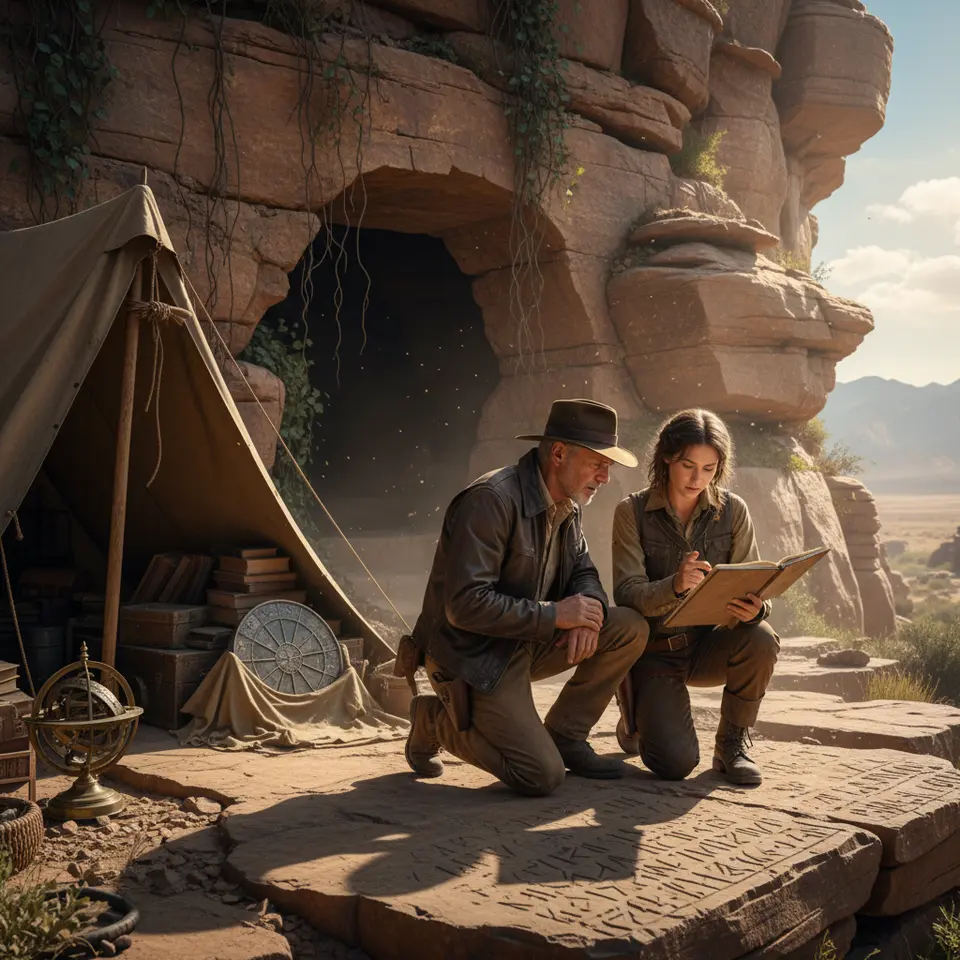
At its core, Indiana Jones and the Dial of Destiny opens amid geopolitical intrigue and scientific fascination. Indiana Jones, now more contemplative and weathered by years of fieldwork, is drawn back into action when his clever goddaughter seeks his expertise. The titular Dial of Destiny is rumored to possess the power to manipulate time itself, captivating intelligence agencies, academic scholars, and clandestine organizations. From dusty archives in a major metropolis to sunlit cliffsides overlooking ancient ruins, the expedition weaves together cryptic inscriptions, hidden passageways, and high-stakes confrontations.
The narrative deftly balances roaring set pieces—such as narrow escapes in underground catacombs—with quieter interludes that highlight Jones’s internal struggles. Haunted by choices made decades prior, he questions whether altering the past could ever justify the risks involved. This tension between ambition and restraint permeates every scene, reminding viewers that the real treasure may lie in wisdom gained rather than artifacts uncovered.
Woven into the storyline are nods to historical scholarship and scientific inquiry, underscoring Indy’s dual identity as both adventurer and academic. References to research methodologies echo resources found at institutions like the Library of Congress, while fleeting glimpses of celestial phenomena draw on knowledge shared by organizations such as NASA. These touches lend authenticity to a tale that, while fantastical, remains grounded in genuine intellectual curiosity.
Directorial Vision and Screenplay Craft
James Mangold brings a respectful yet innovative approach to the Indiana Jones legacy. His direction sidesteps mere imitation of earlier installments, instead weaving Spielbergian spectacle with introspective character beats. The screenplay—crafted in collaboration with accomplished writers—balances playful banter, pulse-quickening suspense, and poignant reflections on aging and mortality. Dialogue crackles with wit, as Indy’s seasoned outlook collides humorously with his goddaughter’s tech-savvy determination.
Mangold’s pacing remains remarkably assured throughout. Sequences transition seamlessly from decoding ancient maps to narrow escapes beneath collapsing architecture. Each set piece escalates tension without overwhelming the narrative’s quieter moments. Notably, the film avoids info-dumps, choosing instead to reveal lore through visual cues and concise exposition. This decision respects viewers’ intelligence and sustains momentum across the runtime.
Behind the scenes, research into archaeology’s evolving practices influenced key scenes. Authentic excavation tools and period-appropriate equipment appear onscreen, reflecting consultation with academic experts and field practitioners. The interplay of physical stunt work and computer-generated enhancements underscores a commitment to practical filmmaking. Huge collapsing pillars and shifting stone corridors feel tangible, even as the mystical Dial of Destiny introduces remarkable visual flourishes.
Standout Performances and Character Dynamics
Harrison Ford’s portrayal of Indiana Jones remains the film’s emotional center. He embodies a hero tempered by experience—his trademark charm now accompanied by moments of vulnerability and introspection. Ford’s performance resonates deeply, as viewers witness Indy confronting regrets, grappling with legacy, and finding renewed purpose. His rapport with Phoebe Waller-Bridge’s character brings a fresh dynamic: witty repartee alternates with heartfelt mentorship, highlighting generational contrasts in approach and attitude.
Waller-Bridge shines as the resourceful goddaughter, blending fierce independence with occasional self-doubt. Her character’s tech-driven skill set modernizes the franchise and underscores themes of adaptation and partnership. Supporting actors contribute memorable turns: a veteran scholar-turned-adversary exudes calm menace, while secondary allies inject humor and heart. Each cast member enriches the story’s tapestry, ensuring that personal stakes feel as compelling as global consequences.
Mentorship emerges as a core thread. Indiana Jones guides his protégé through puzzles and perils, yet learns valuable lessons in turn: humility, trust, and embracing change. These layered interactions elevate the film beyond a mere action saga, inviting reflection on cooperation, legacy, and the enduring power of shared stories.
Cinematic Craft: Visuals and Soundscapes
The visual palette of Indiana Jones and the Dial of Destiny spans sweeping vistas and shadowy interiors. Cinematographer Darius Wolchok employs dynamic framing—switching from sweeping aerial shots to tense close-ups—to immerse audiences in every heart-stopping moment. Vibrant color grading accentuates sun-drenched deserts and moody temple corridors alike, while subtle camera movements maintain the series’ signature kinetic energy.
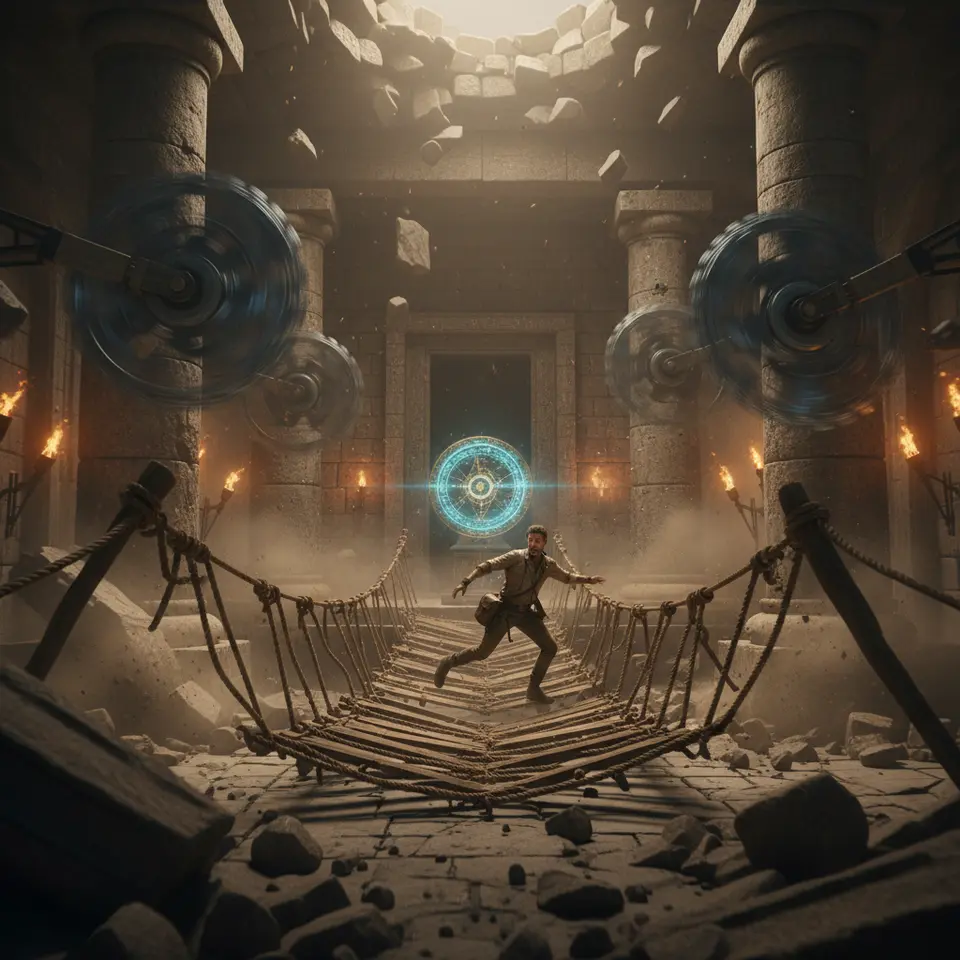
Practical effects remain front and center. Elaborate set pieces—collapsing columns, spinning blades, and precarious rope bridges—were constructed and tested extensively, ensuring authentic thrills. CGI enhancements integrate seamlessly, polishing sequences such as the mystical activation of the dial without overshadowing real stunts. These combined efforts underscore a filmmaking philosophy that values tangible artistry alongside cutting-edge technology.
Auditory design and musical score work in concert to heighten immersion. John Williams returns with triumphant themes that echo franchise history while introducing new motifs. Swelling brass fanfares herald each discovery, and softer strings underscore emotional beats. Sound editors layer environmental details—crackling torches, distant thunder, shifting stones—to craft a three-dimensional audio field. Moments of near-silence before life-or-death gambles amplify tension, demonstrating masterful control over pacing and atmosphere.
Legacy, Innovation, and Thematic Depth
Indiana Jones and the Dial of Destiny pays tribute to its storied heritage through clever Easter eggs and subtle callbacks. Vintage logo wipes appear alongside modern transitions, while familiar whip twirls surface in novel contexts. These winks reward attentive fans without alienating first-time viewers, striking a respectful balance between homage and originality.
Concurrently, the film embraces contemporary perspectives. A diverse ensemble cast reflects today’s global audience, and humor acknowledges modern sensibilities without undercutting tension. Sequences such as an underwater vault heist demonstrate technical ambition: practical scuba stunts merge with innovative cinematography to deliver fresh thrills. This synergy proves the franchise can evolve while retaining its core spirit.
At the heart of the story lies an exploration of time, choice, and the human condition. The Dial of Destiny itself symbolizes temptation to rewrite history, yet narrative arcs emphasize personal growth over hypothetical do-overs. Indiana Jones’s ultimate decisions resonate as a tribute to lived experience, underscoring that true adventure emerges not from altering the past but from embracing the present with courage and compassion.
FAQ
What is the Dial of Destiny?
The Dial of Destiny is a mythical relic central to the film’s plot, reputed to grant the power to manipulate time. Its legend drives the narrative, drawing both heroes and villains into a high-stakes hunt across the globe.
Where and when does the film take place?
The story unfolds in the mid-20th century, against a backdrop of geopolitical tension and scientific discovery. Key locations include metropolitan archives, ancient ruins, and perilous underground catacombs.
Is this Harrison Ford’s final appearance as Indiana Jones?
While the filmmakers have hinted that this could be Ford’s last turn as Indy, they’ve left room for future narratives. The film’s themes of legacy and renewal suggest that the spirit of Indiana Jones may endure well beyond one actor’s portrayal.
Conclusion
Indiana Jones and the Dial of Destiny stands as both a celebration of a legendary hero and a declaration of creative renewal. By harmonizing classic thrills—whip-cracking chases, hidden tombs, and treasure-filled chambers—with thoughtful themes of legacy and time, the film offers a richly layered experience. Harrison Ford’s seasoned performance, complemented by a vibrant supporting cast, revitalizes familiar dynamics while inviting fresh interpretations. Masterful direction, immersive visuals, and an evocative score remind us why this adventurer has captivated generations. Whether you’re drawn by the promise of time-bending artifacts or the enduring allure of archaeological wonder, this installment delivers a satisfying journey. In today’s cinematic landscape, it proves that even the most iconic figures can be reborn for modern audiences, leaving viewers eager to celebrate the past and embrace the mysteries that await beyond every horizon.